

Getting Infrared Heat Right for Mobile Glass Repair
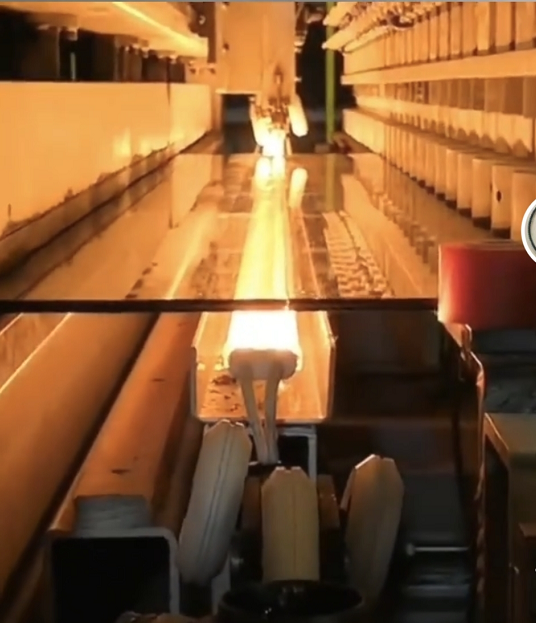
If you’ve ever tried to squeeze a high-performance infrared (IR) heater into a mobile repair bracket, you know the struggle. You’re fighting a constant war between how much power you need and how little space you actually have. You can’t just take a big industrial heater and shrink it down. If you try, you’ll either end up with a tool that takes forever to warm up, or one that melts the housing right off the frame. It’s a balancing act. The struggle with space and power Here is the thing: to get the heat you need in a tiny package, you have to crank up the wattage per millimeter. I lean toward short-wave IR emitters because they pack a lot of thermal energy into a small area. It gets the glass to annealing temperature fast. But there’s a catch. When you cram that much power into a small tube, the ends of the lamp take a beating. If your wiring or connectors aren’t up to the task, you’ll get voltage drops. That leads to “cold spots,” and in this business, uneven heat is your worst enemy. Choosing the right parts I use quartz-halogen tech for these mobile rigs. Quartz can handle way more heat than your average glass, and the halogen cycle keeps the filament from burning out too quickly. And since these brackets are moving around a workpiece all day, I use compact, vibration-resistant connectors. There’s nothing worse than a lamp wiggling loose right in the middle of a job. But the real trick to stopping the glass from cracking?Reflectors. By getting the geometry of the reflector just right, we can bounce stray radiation back onto the glass. It makes the most of every bit of voltage we have, which keeps the heat uniform and the glass safe. The reality of the heat Just keep in mind that high-density IR elements get hot. Really hot. While the IR energy is hitting the glass, the bracket itself is going to soak up some of that waste heat. If your chassis doesn’t have enough thermal mass or a way to vent that air, the housing will warp. Push the wattage too hard in a sealed box, and you’ll fry your filament. It’s all about giving the system room to breathe.