

Why Most Workshop Heaters Die Early (And How We Fixed It)
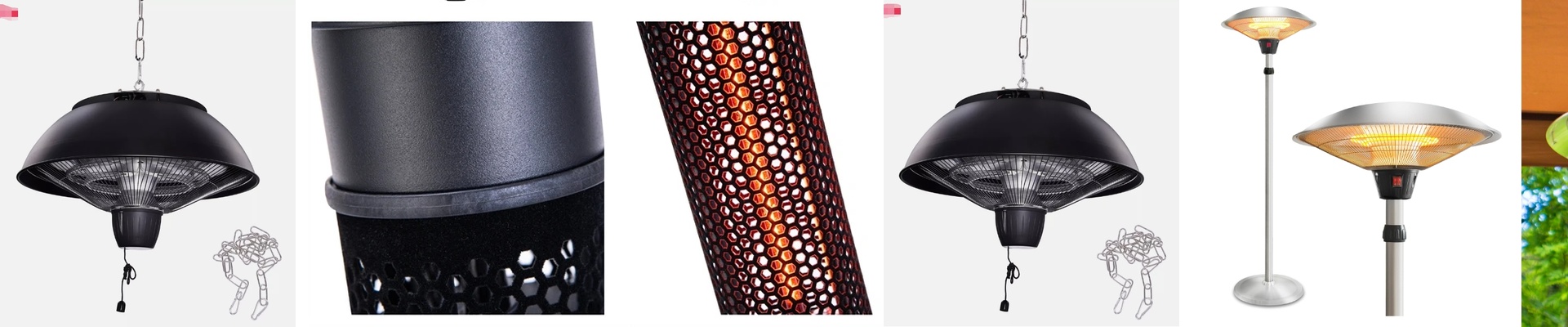
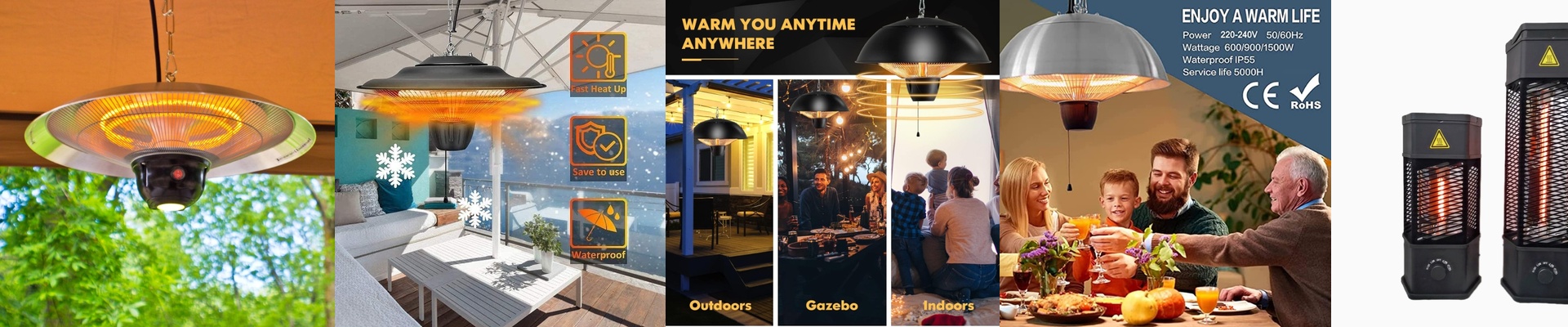
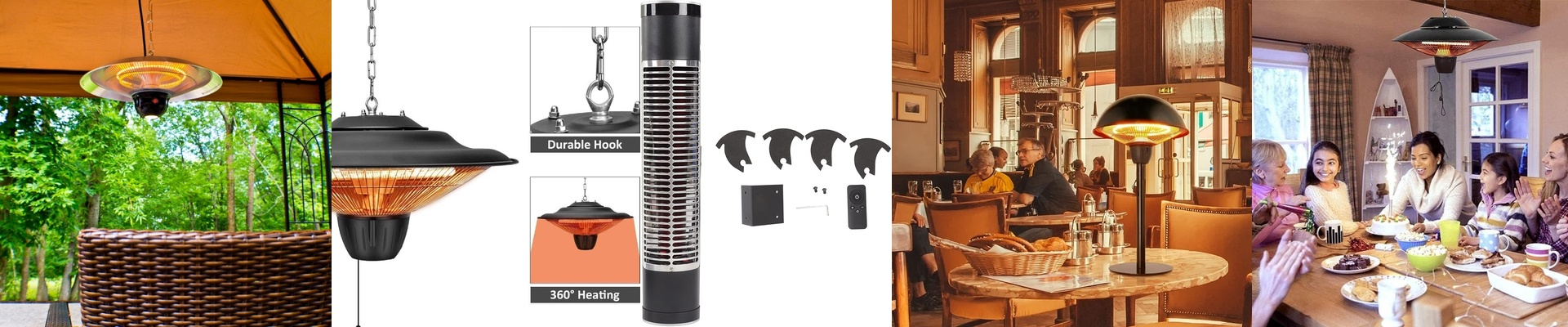
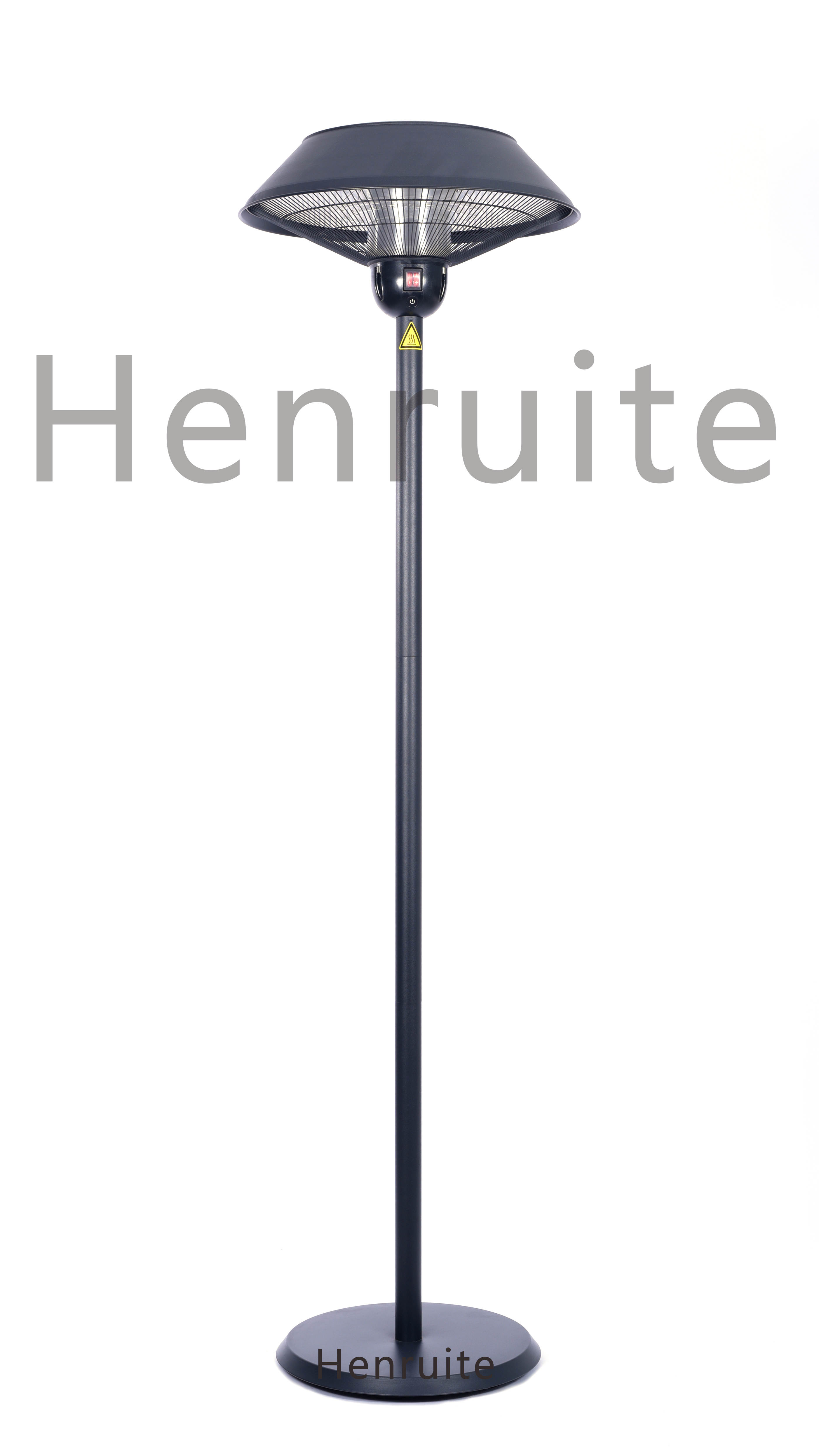
Let’s be honest: workshops are absolute nightmares for heating equipment. You’ve got cutting fluids flying, dust everywhere, and that damp, chilly air that just clings to everything. If you throw a standard infrared lamp in there, it’s basically a countdown until it burns out. We got tired of seeing heaters fail, so we built ours to actually survive the grind. The problem with “sweating” glass Here is the thing about cold shops. When your heater kicks on and off, the temperature swings are wild. Moisture settles on the quartz tube, creating these little “cold spots” on the glass. Now, quartz doesn’t like that. It expands unevenly, which creates tiny micro-cracks you can’t even see. Then, one day—snap. The tube breaks, and you’re back to shivering. We fixed this by rethinking the housing and how air moves around the emitter. It keeps the glass dry and clear, which stops that thermal shock from happening in the first place. Dealing with the “gunk” Then there’s the mess. Oil mist and water splashes are just part of the job in an industrial bay. But when that stuff hits a red-hot emitter, it doesn’t just sit there—it bakes into a hard crust. That crust acts like a blanket, trapping heat inside. To keep pumping out warmth, the internal filament has to work overtime and run way hotter than it should. That’s how you kill a filament fast. To stop that, we added protective shields and sealed gaskets. It keeps the grime off the tube. It means you spend your time actually running the line instead of scrubbing glass. The honest trade-off I’ll be straight with you: adding shields and seals means you lose a tiny bit of that raw heat intensity. A “naked” tube is technically more efficient. But here’s the reality. I’d much rather have a heater that runs at 90% efficiency for five years than one that hits 100% for six months and then dies. Just make sure you check your ceiling height when you’re planning the install. A quick adjustment in placement more than makes up for that slight dip in intensity.