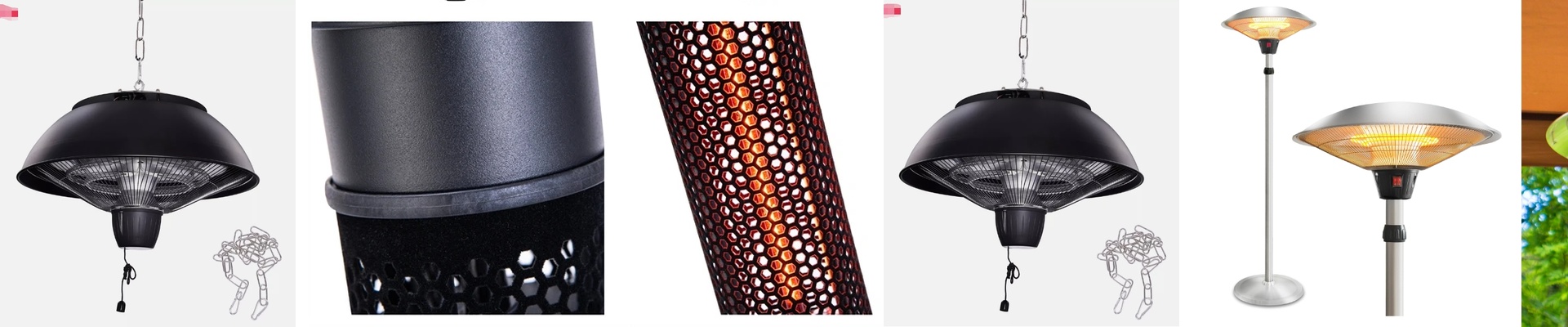
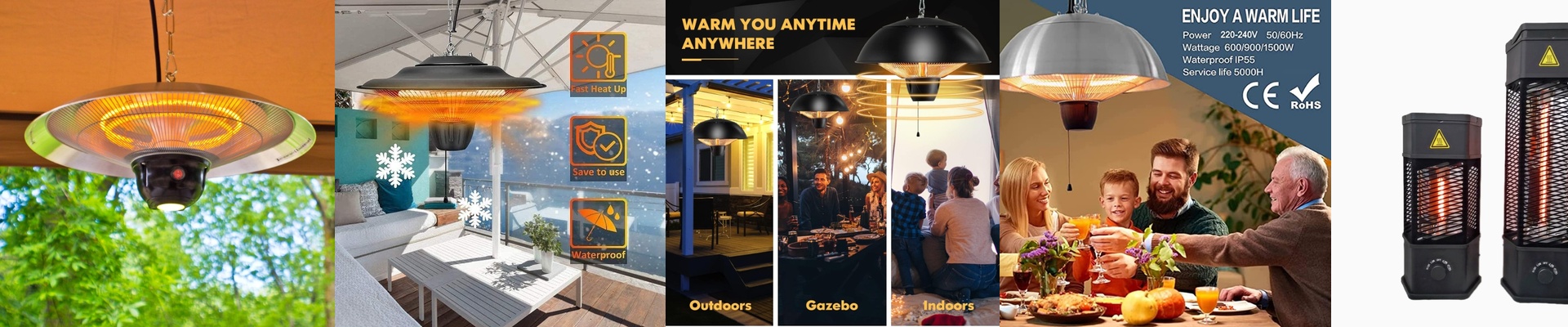
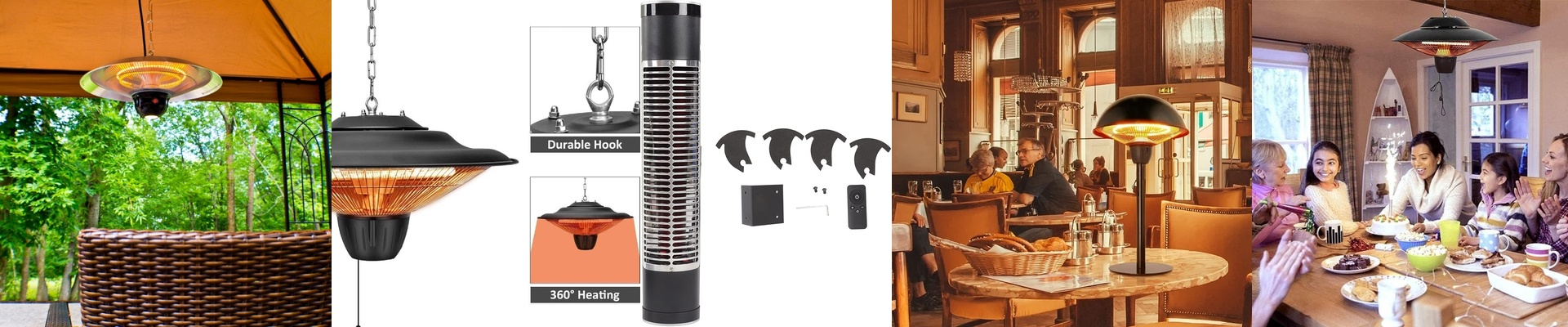
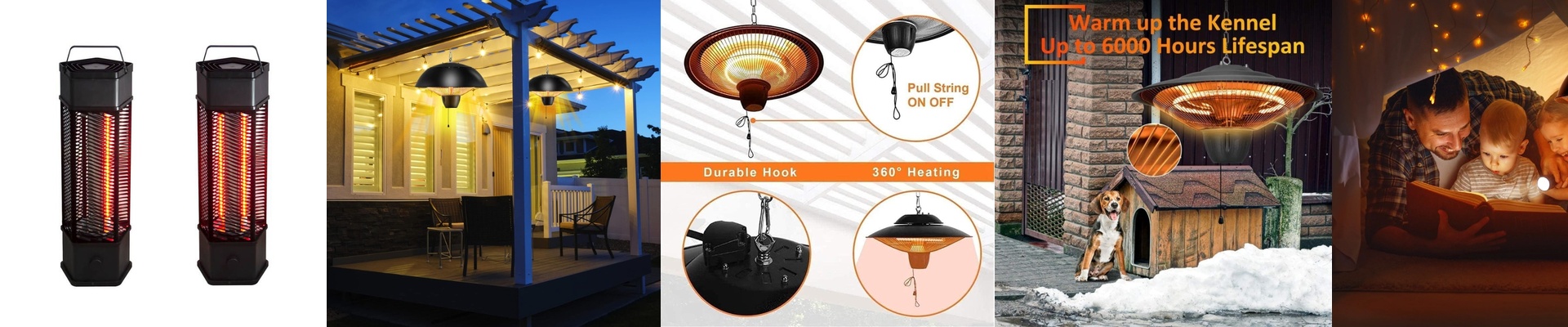

Why we put our bathroom lamps through “the torture chamber”
Let’s be honest: bathrooms are a nightmare for electronics. You’ve got thick steam, sudden temperature jumps, and water vapor getting into every single nook and cranny. If we just tested a lamp on a clean workbench and called it a day, it would probably fry or short out within a few months of you actually using it. Nobody wants that. So, we put every batch through what we call damp-heat aging tests. Basically, we try to break them before they ever get to you.
The battle against humidity
Here’s the thing about water vapor—it’s sneaky. It finds the tiniest gaps in the housing and electrical connections. Once it’s in, it starts eating away at the contacts and rotting the insulation. To stop this, we toss the lamps into a controlled chamber that mimics years of steamy showers in just a few cycles. We aren’t guessing if they’ll hold up. We measure the insulation resistance before and after the stress test to make sure there’s no “leakage.” Because if the insulation fails, the lamp isn’t just broken—it’s dangerous.
Pushing the seals to the limit
We really lean into the seals during these tests. We want to see if moisture can sneak into the quartz envelope or the reflector. Why? Because when water hits a scorching hot infrared element, it can cause a thermal shock. Or worse, it can cloud up the reflector. Once that reflector gets cloudy, you lose your heat. It’s like trying to look through a foggy window. We make sure the heat stays strong and consistent, even after the lamp has taken a beating in the chamber.
The trade-off
Now, there is a catch. To get this kind of protection, we have to use heavy-duty sealing and special coatings. That means these units might feel a bit heavier than a cheap indoor heater. But that’s the price of peace of mind. We’d rather give you a slightly heavier lamp than one that shorts out the second you turn on the shower. If you’re installing these in a high-moisture zone, these tests are the only way to know the lamp will actually last.