Why 0.1°C is the Difference Between a Perfect Tube and a Mess
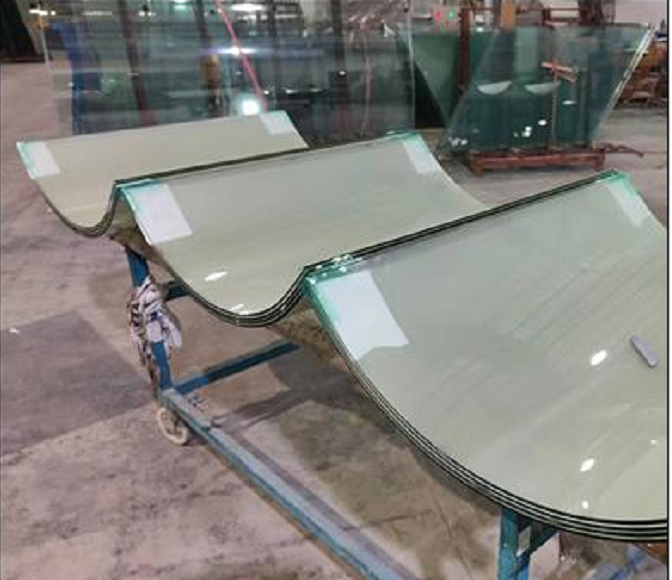
If you’ve ever had a borosilicate or quartz tube shatter during a vacuum pull, you know that sinking feeling. It’s frustrating. And usually, it comes down to something tiny—just a few degrees of temperature difference. That’s why we lean so heavily on infrared (IR) heating for cutting and annealing. It’s fast. It’s targeted. It just works better.
The obsession with 0.1°C
You might wonder why we sweat the small stuff. Here’s the thing: glass has a very specific “sweet spot” for annealing. It’s that window where you can get rid of internal stress without the whole thing starting to sag or warp. If your heater overshoots? Your tube sags. If it undershoots? You’ve still got stress trapped in the glass. We aim for 0.1°C stability because it stops “thermal shock” in its tracks. When the temperature stays that tight, the glass transitions evenly. No steep gradients, no microscopic cracks, and—most importantly—no spontaneous explosions later on.
Getting the heat right
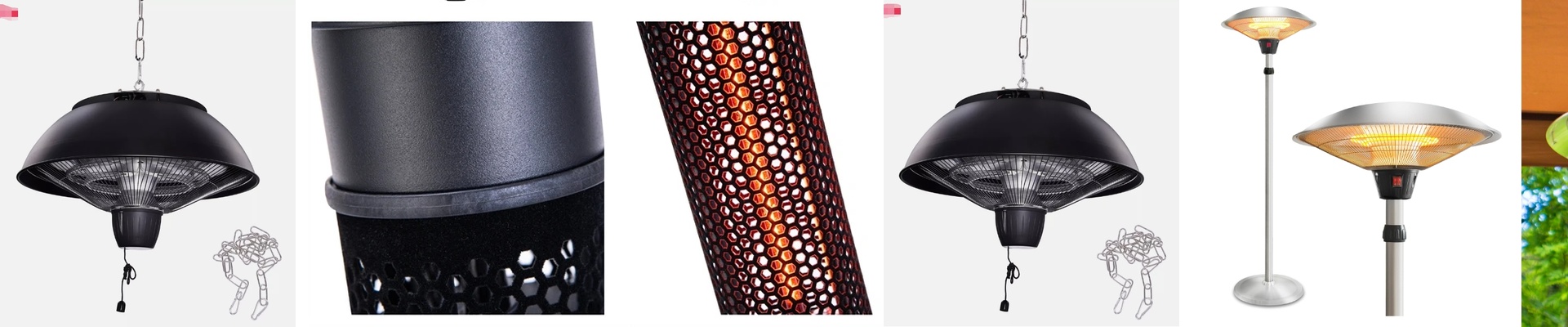
We don’t just crank up the wattage and hope for the best. That’s a recipe for disaster. Instead, we use high-density IR emitters and a closed-loop PID system to keep things steady. The beauty of short-wave radiation is that it doesn’t just toast the “skin” of the glass; it actually penetrates deep into the material. But you have to be careful. You’ve got to match the power to the wall thickness of your tube. If you hit a thin-walled tube with too much raw power without modulating it, you’re going to melt it. Simple as that.
The “Headroom” Trick
There is a bit of a trade-off when you’re chasing this kind of precision. To keep that 0.1°C accuracy, you can’t run your elements at full blast. If you’re pinned at 100% duty cycle, you have nowhere to go. We usually over-spec the heaters and run them at about 40-60% capacity. It gives the controller some breathing room. When the temperature dips, the system can react instantly without lagging. If you under-spec the heater, the recovery is too slow, the glass cools unevenly, and you’re right back to square one.