

Why we’d rather visit your shop than just ship you a part
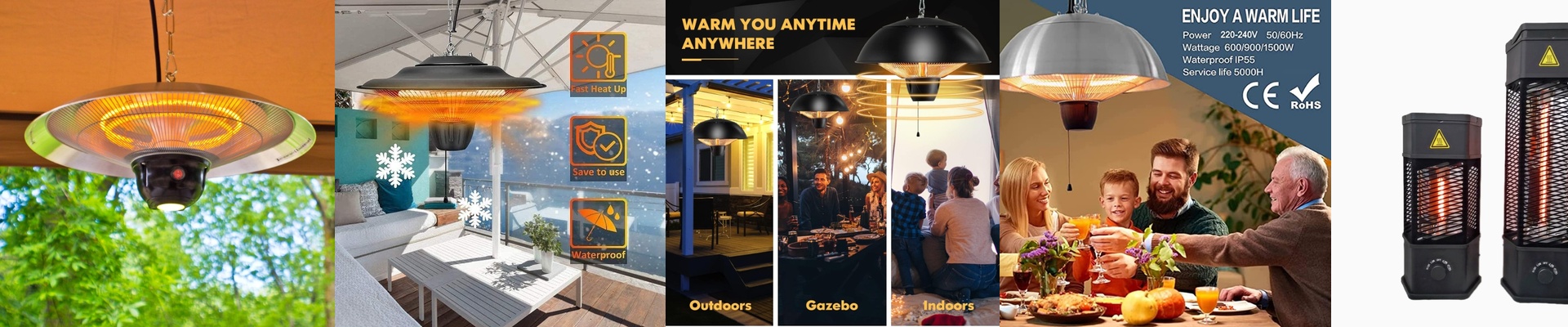
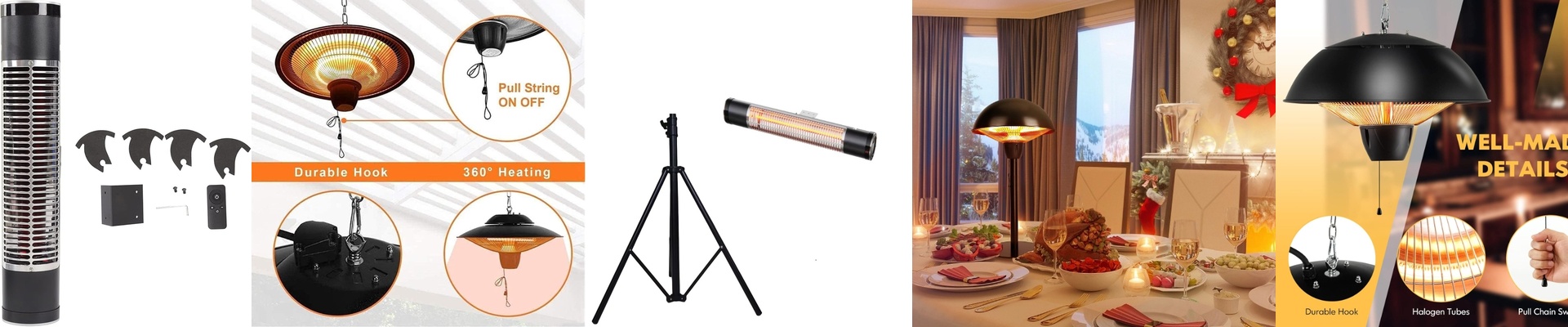
Selling a heating lamp is the easy part. Anyone can put a part number in a box. The hard part? Making sure that lamp actually stops your glass from cracking the second the laser hits it. I see it all the time. A shop has a burnt-out tube, so they just buy another one with the same wattage. They plug it in, hit start, and… the scrap pile keeps growing. They’re frustrated because the “correct” part didn’t fix the problem. Here’s the thing about laser cutting glass: it’s a balancing act. If the glass is too cold, it shocks and fractures. If you crank the heat too high, you’re looking at deformation. We use short-wave infrared quartz heaters to hit that sweet spot. These things are great because they dump the heat right onto the glass surface without turning your entire machine frame into an oven. But you can’t just guess the specs. Voltage and wattage aren’t just numbers on a page—they’re what decide how long you’re standing around waiting for the machine to warm up. Sure, a high-wattage tube gets you to temperature faster, but it might put a strain on your power supply that you didn’t bargain for. And then there’s the layout. If your tube is too short for the sheet, you get cold spots. Simple as that. That’s why we often go with custom lengths. It’s the only way to make sure the heat is actually even across the whole cut path. There’s also a bit of a trade-off to consider. If you push a lamp to deliver massive heat, you’re going to fry the filament a lot faster. It’s a tug-of-war between power and lifespan. Depending on your setup, you might need a coated quartz tube to bounce the heat back toward the glass, or a clear one to let it penetrate deeper. This is exactly why we prefer to just come to your floor and take a look. We want to see the actual surface temperatures and check your power draw in real-time. Maybe you actually need a different wattage. Or maybe your reflectors are just filthy and need a scrub. We aren’t interested in just shipping a box. We want to find that gap in your process and close it.