Keeping Bathroom Heaters Warm, Not Blinding
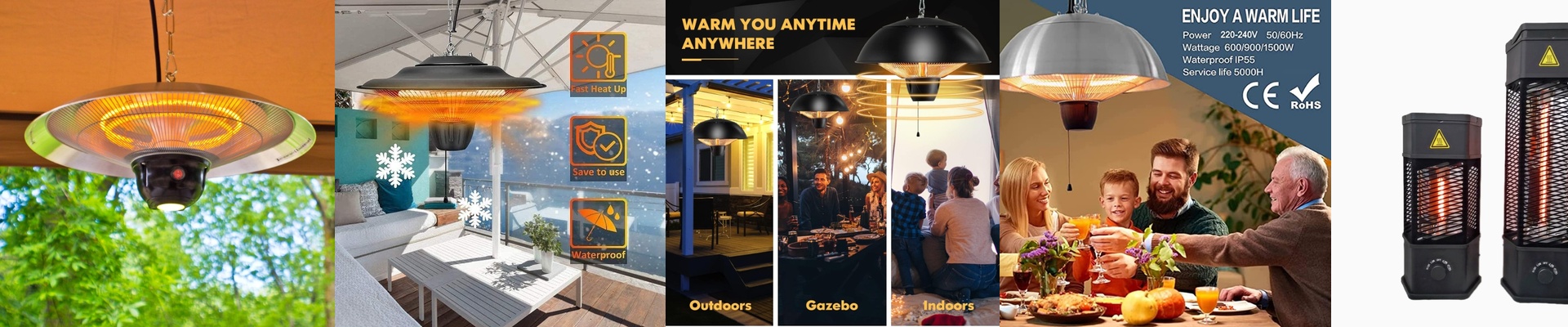
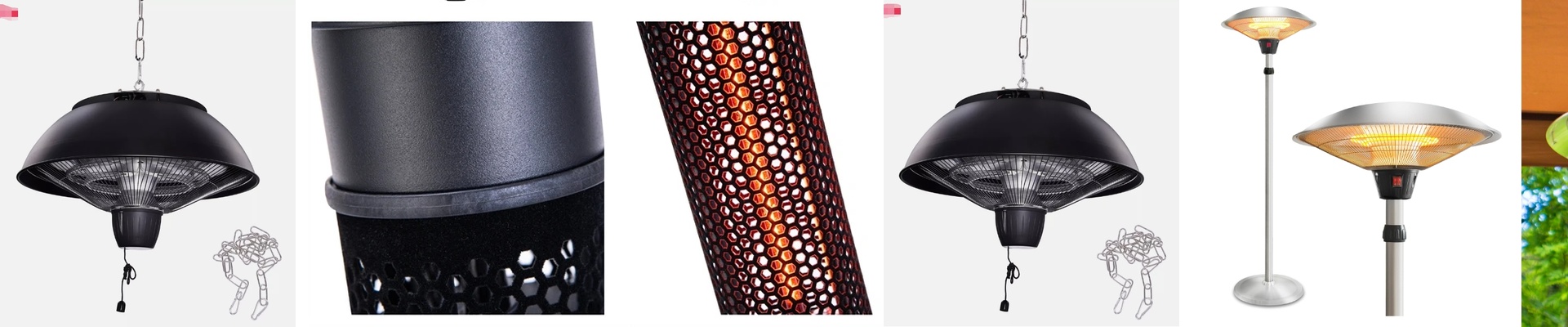
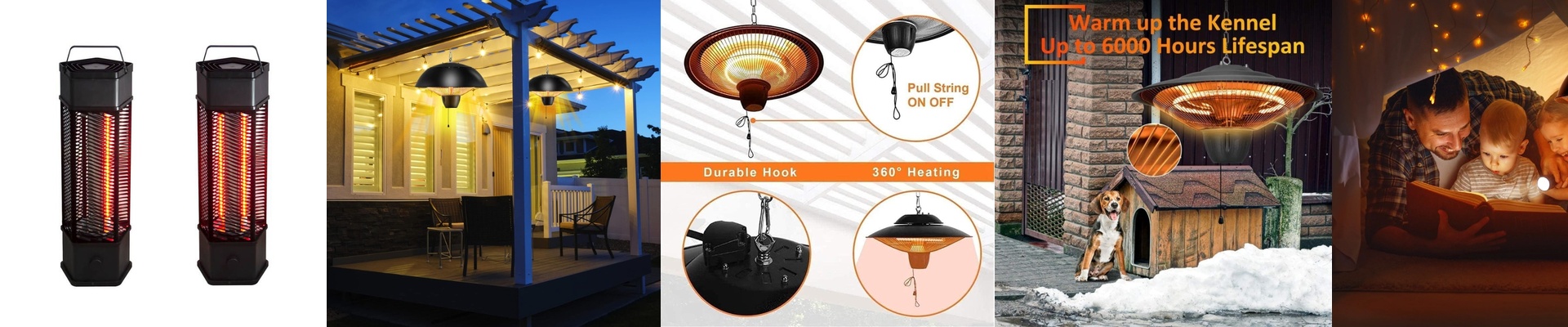
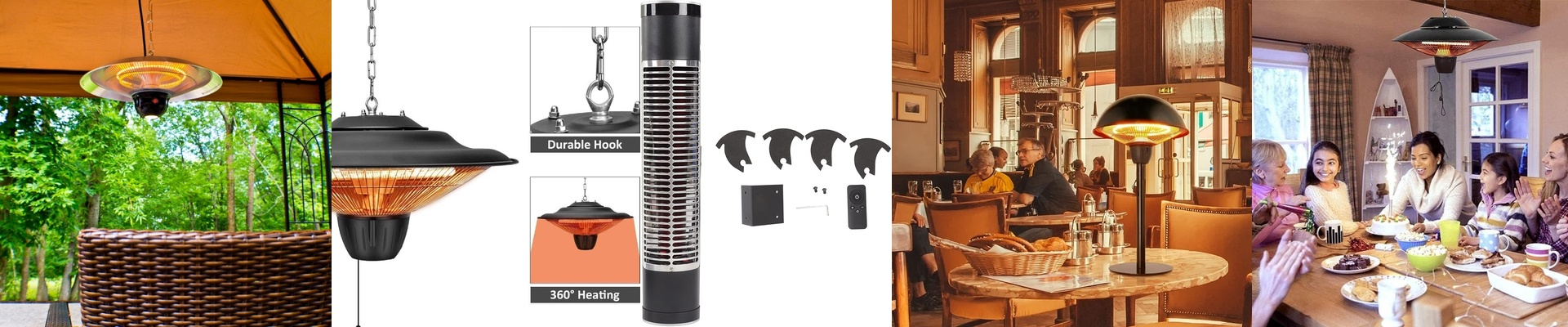
When we’re designing infrared heaters for bathroom ceilings, the goal isn’t just to pump out as much heat as possible. That’s the easy part. The real trick is managing the light. You want heat that actually reaches your skin, but you don’t want to blast someone’s eyes with harsh radiation. This is a big deal when you think about babies or toddlers—their eyes are way more sensitive than ours. The trick with the light Most short-wave lamps throw out a huge range of light. If you just leave them as-is, they’re blinding. Plus, the UV part can be a real irritant. To fix this, we use special dopants in the quartz tubes and add internal coatings. Think of it like a filter. It blocks out those piercing UV peaks and the harsh visible light, but lets the cozy mid-to-long wave heat slide right through. The result? You get a soft, warm glow instead of a sterile, white glare. It protects your retinas without making the room feel cold. The guts of the machine Under the hood, we use halogen-filled quartz. The halogen does a bit of “magic” by regenerating the filament, which means the bulb doesn’t just burn out after a few months. It keeps the heat steady for a long time. We also stick with R7s or similar snap-in connectors. Why? Because bulbs eventually die. We wanted to make sure that when it happens, you can just pop a new one in without needing a degree in electrical engineering. The trade-off Here’s the honest truth: there’s a slight cost to all this safety. By filtering out the visible light to protect your eyes, we lose a tiny bit of efficiency. The coating absorbs some energy, so you aren’t getting 100% of the raw power. But in a bathroom, we’ll take a small dip in BTUs any day if it means the product is safe. Just a heads-up: make sure your ceiling mounts are rated for the wattage. You don’t want that heat soaking into the beams of your house.