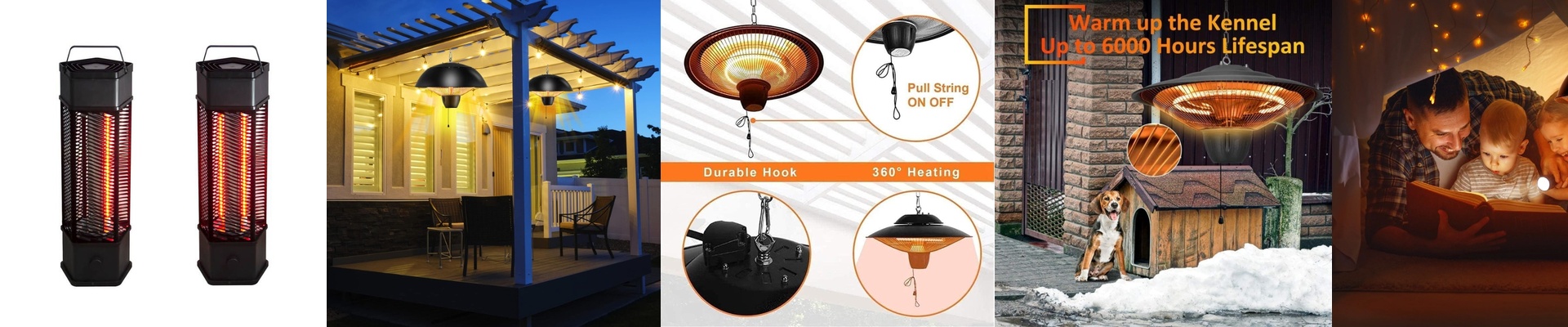
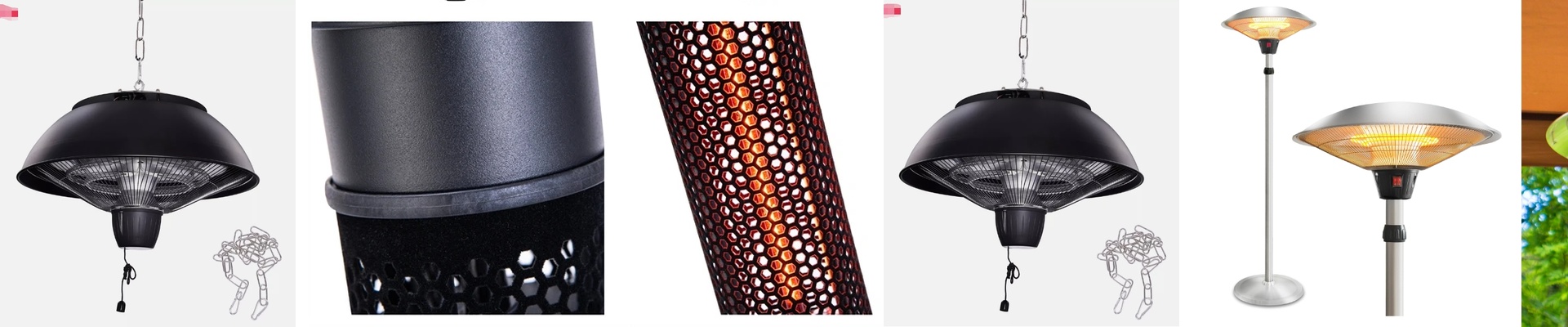
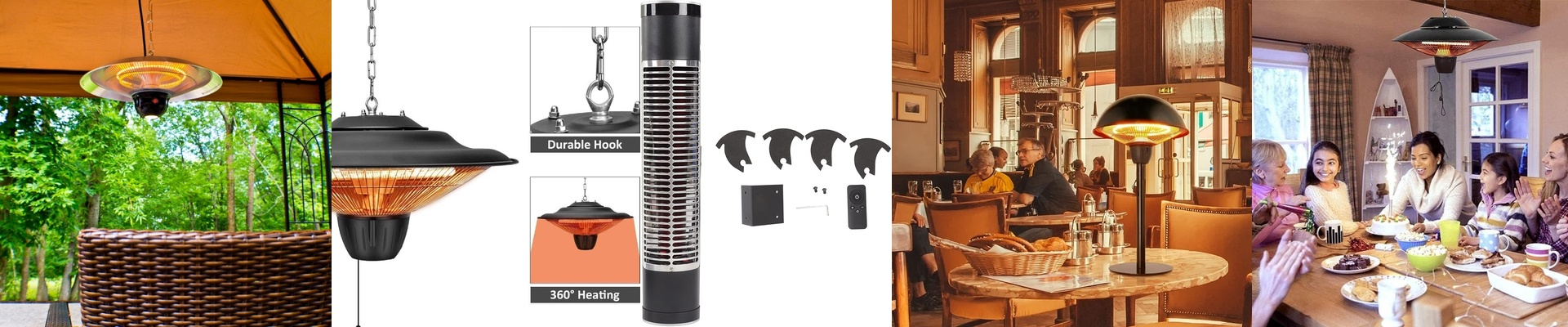

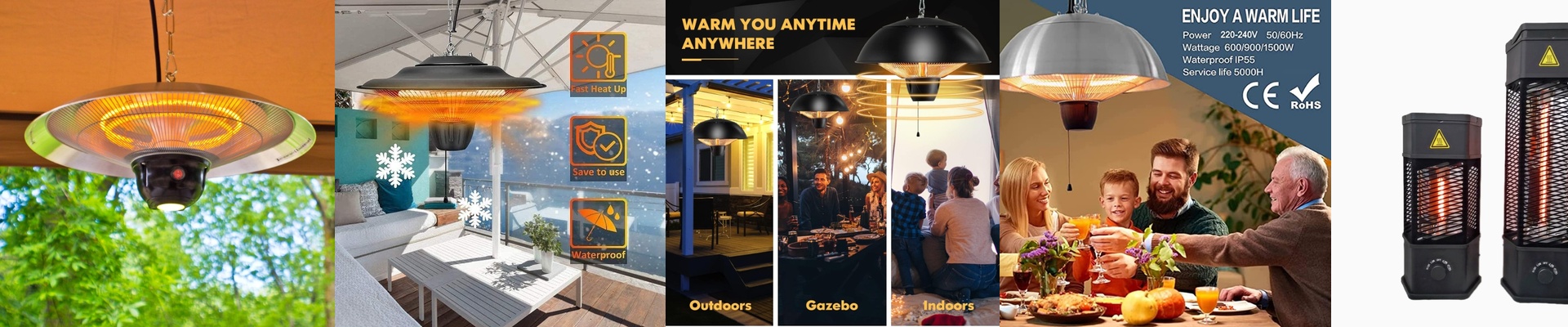
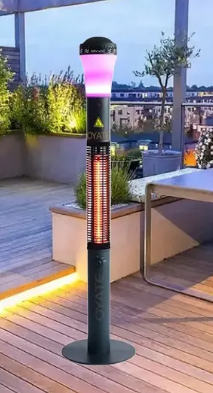
Glass walls give a loft sunroom that open, airy feel—but they also make comfort a moving target. Heat rises and then bleeds right through the glazing, so the floor stays cool and the room never quite settles. For pets, those swings mean shivering nights and naps that never really take. An infrared space heater shifts the whole dynamic. What matters, under the hood We built this electric heater around a carbon fiber element that puts out medium-wave infrared warmth. Convection units heat air and then lose it through glass; radiant heat travels in straight lines and warms people, floors, and furnishings directly. You feel it quickly—solid, even warmth that shows up within seconds. Add in a built-in thermostat and you get steady cycling instead of wild temperature lurches. For pet safety, the outer grill stays cool to the touch, and tip-over protection shuts the unit off if it gets knocked over. Why it fits a glass-heavy loft In a room with that much glass, the payoff is speed and stability. Infrared warmth doesn’t fight constant drafts—it gets absorbed where it lands, so the space holds a set temperature longer. The difference shows up in the details: warm floors under paws, fewer swings, and a cozy corner that stays inviting even when it’s cold outside. Because the heater targets surfaces instead of trying to warm the air, it can keep comfort steady without making the thermostat work overtime. That means more stable conditions for pets and lower energy use over the season. What you need to keep in mind Infrared heaters do their best work when they have a clear line of sight to the area you want warmed, so placement is key. Keep the unit unobstructed and aim it to spread warmth across the main floor, not just one hot spot. It’s designed for indoor use, it’s quiet and compact, but the front does get warm—leave some clearance around it. For loft sunrooms, a hardwired connection usually gives the cleanest install and the most dependable temperature hold.