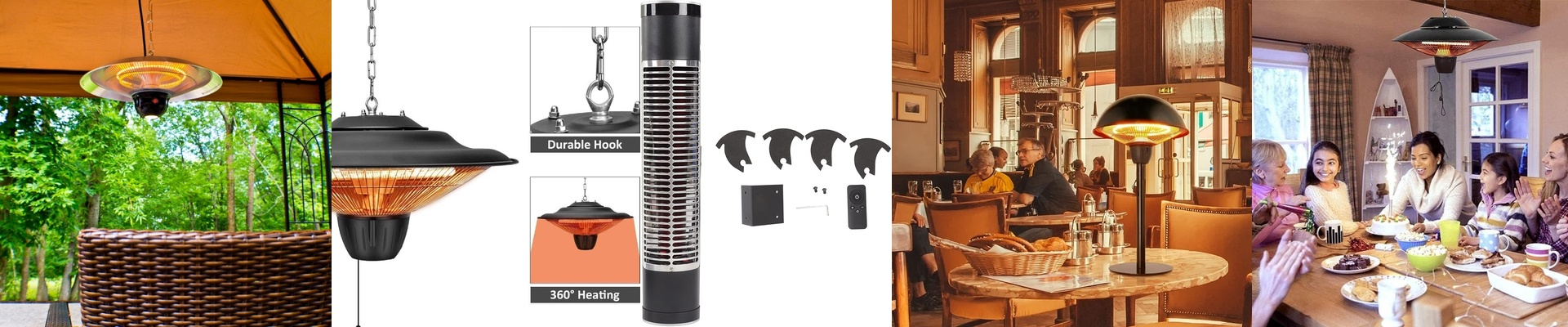
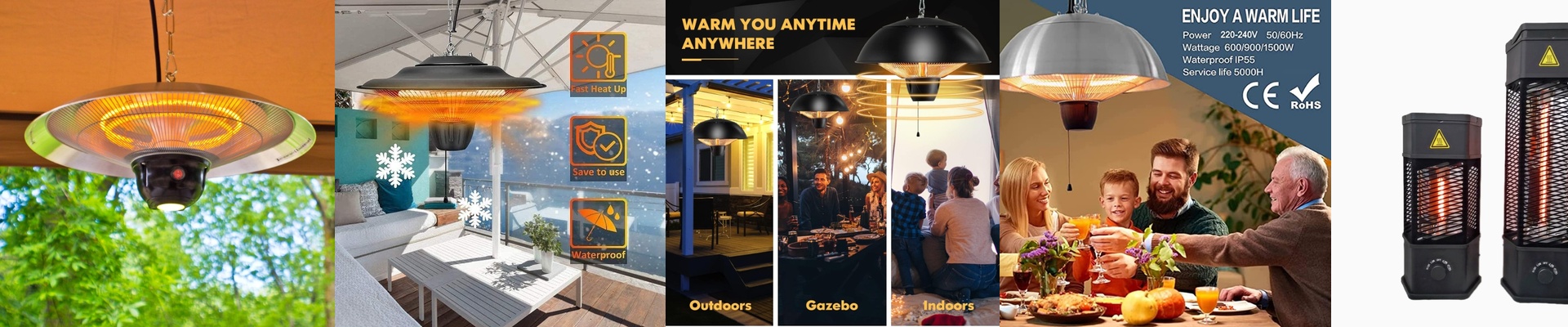
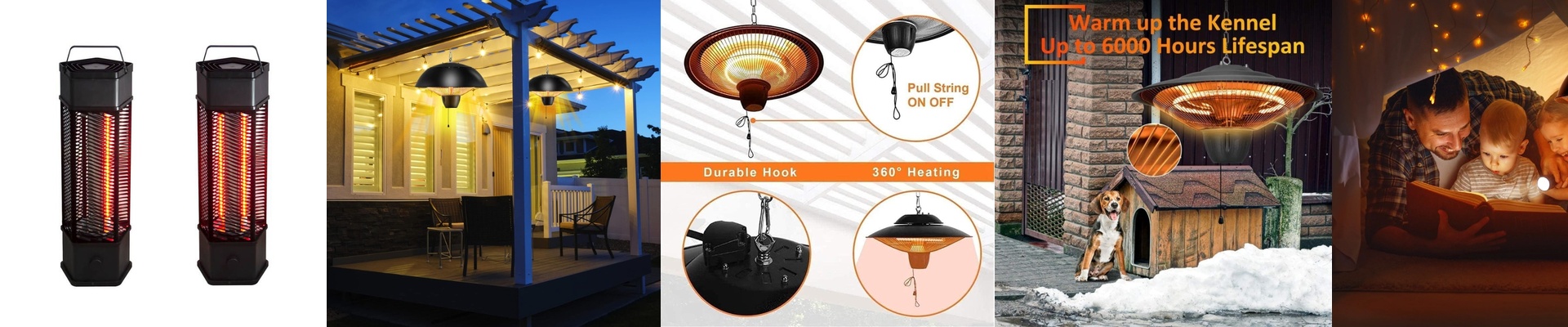
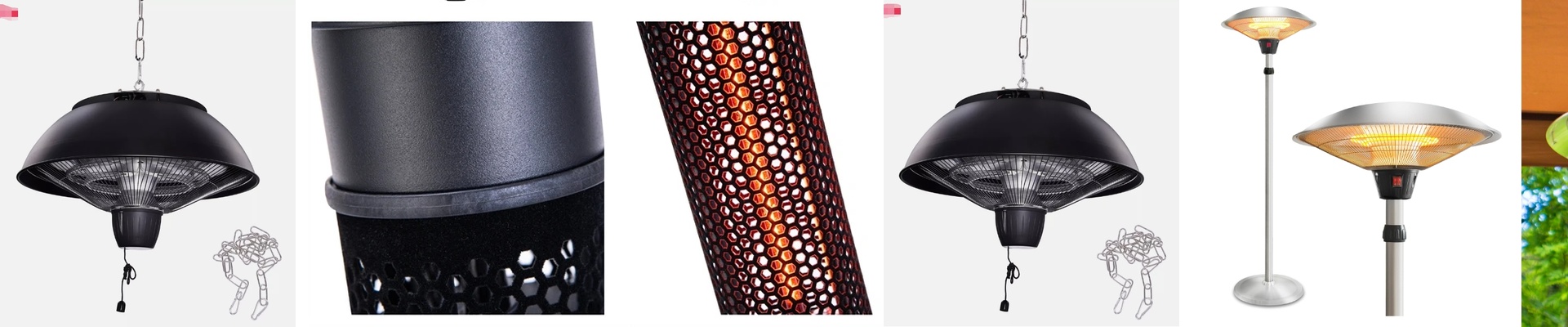
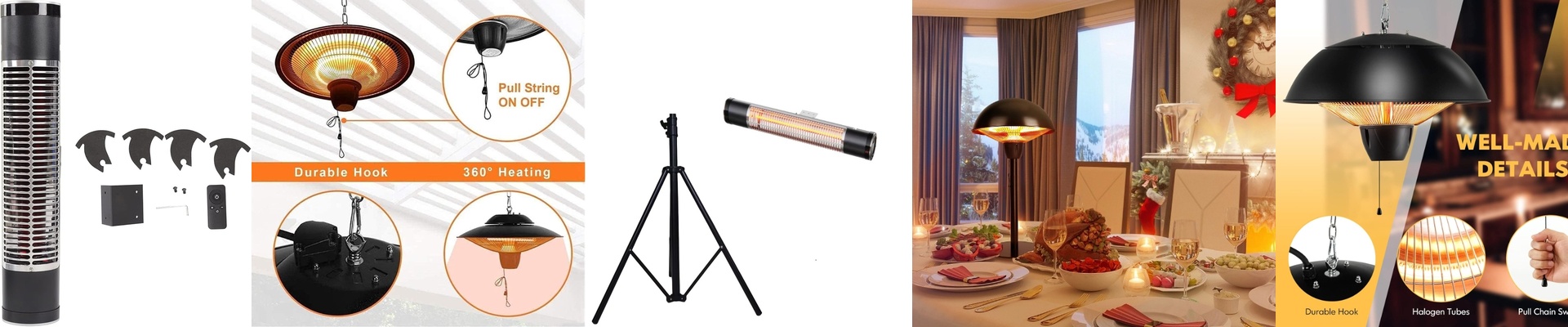
Cold floors and drafty rooms do more than make older adults uncomfortable. They can quietly tighten muscles, slow circulation, and force the heart to work a little harder. Traditional hot-air heaters push warm air upward, which leaves ankles chilled and creates big swings in room temperature. The payoff is often stiffness, fatigue, and a stubborn chill that just hangs on.
What matters, technically
Infrared space heaters deliver radiant heat that travels in straight lines, warming people and objects directly—much like sunlight on a cool morning. This “bio-heat” penetrates superficial tissues, helping muscles relax and keeping peripheral blood flow steady, without the wide temperature swings you get from forced-air systems. Inside, the core is a carbon fiber or quartz element that glows and emits medium- to long-wave infrared. Most units draw 800–1500 W on standard 120 V circuits. Many include a thermostat for steady comfort, tip-over protection for safety, and an IP rating that makes them suitable for covered outdoor spots.
Why this approach fits
For seniors, the payoff is comfort that feels natural. Radiant warmth keeps the floor and nearby surfaces from radiating cold back at you, so joints and feet feel more stable. Because the heat is directional and localized, you can hold a gentle, even warmth in the living room, bedroom, or enclosed porch without overheating the air. That means fewer abrupt shifts that make the heart work harder—and more time to relax with a book, a cup of tea, or a quiet conversation.
What to keep in mind
Infrared heats people and surfaces first, not the air. That’s why it performs well in drafty spaces, but it can feel less effective if you’re standing several feet from the unit. Place the heater where you actually sit—within 3 to 6 feet, angled to warm your torso and legs—and keep it on a level, stable surface. If you want whole-room comfort, pair the infrared unit with a low-noise convection heater to even out air temperature. Always respect clearances, plug into a grounded outlet, and choose a model with overheat and tip-over protection.