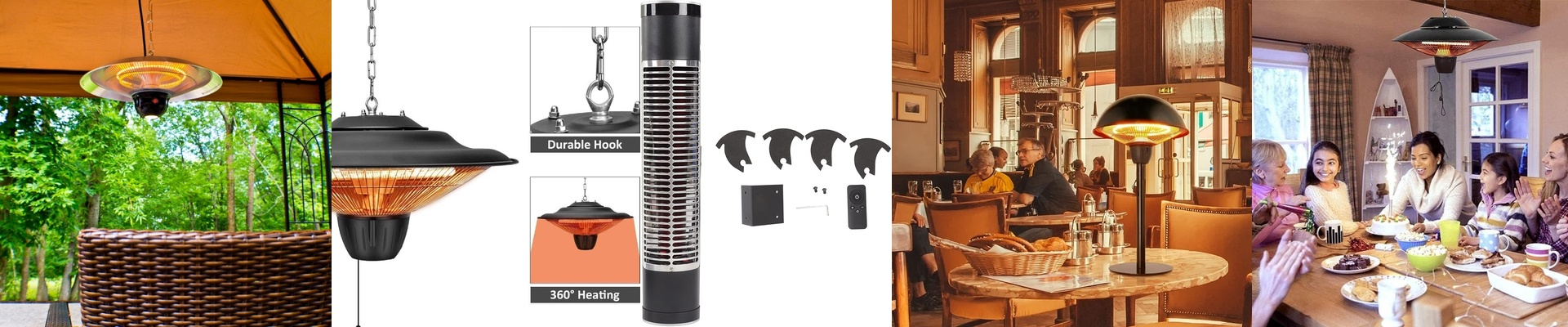
Winter training has a way of leaving its mark—muscles seize up fast in the cold, recovery drags, and soreness lingers. When the air bites, conventional heaters throw surface warmth that disappears almost as quickly as it arrives. The body ends up fighting just to keep heat close to the skin. That struggle keeps tension high, circulation down, and recovery stretched out.
What actually matters, technically
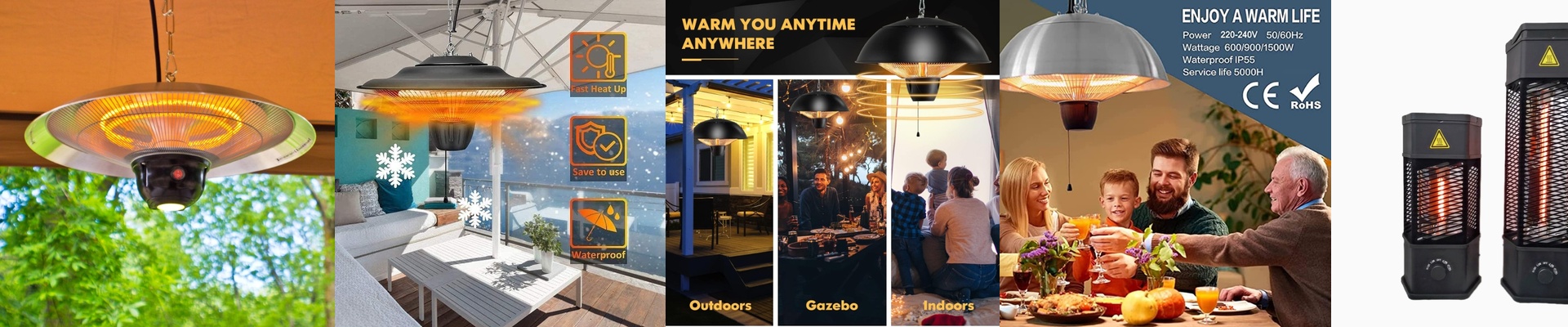
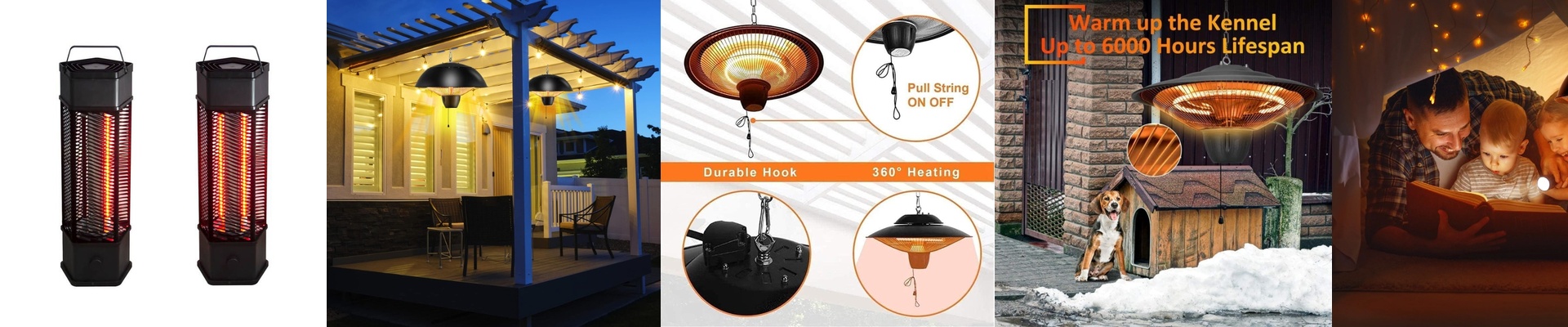
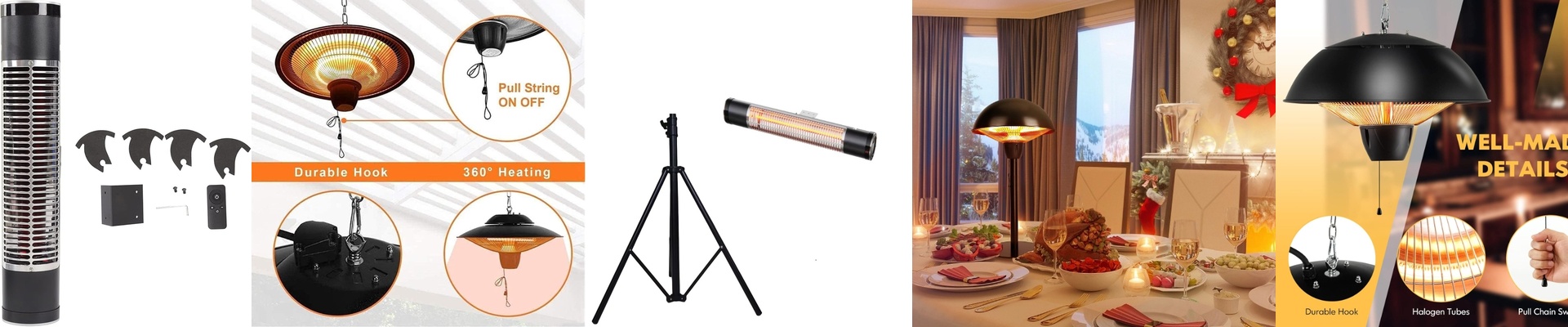
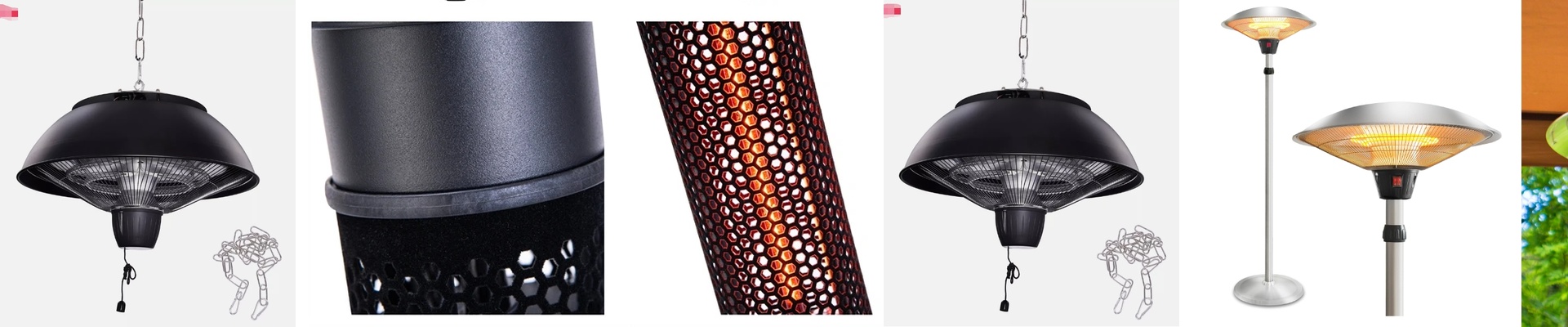
An infrared umbrella heater puts out radiant heat—energy that travels outward and warms people and objects directly, not the air between. In practice, that warmth gets down into muscle tissue, helping boost local blood flow and loosen tightness without the harsh, drying blast of hot air that can feel uneven. We lean on a short-wave infrared element, the kind that delivers intense, directional warmth—much like the sun warming your skin on a cool day. The payoff is comfort you can feel: a steady, even heat field that holds the treated area at a consistent temperature. Many units are built for outdoor use, with an IP rating for protection against splashing water and dust, plus tip-over protection for safety. Controls stay straightforward, often with an adjustable thermostat so you can dial the intensity to match sensitivity and session length.
Why this fits the winter recovery picture
Out in the cold, the immediate goal is simple: get muscles to relax quickly and support the body’s natural healing. Infrared warmth promotes circulation, which can cut down on stiffness and make movement feel easier after hard effort. Because the heat penetrates, athletes often describe a deeper sense of relaxation than warm air alone provides—and sessions can be shorter without feeling like they’re cutting corners. In physical therapy, that consistency matters. The therapist can hold stable warmth on the target area, helping tissues become more pliable before stretching or massage. The umbrella form keeps the heat focused where you need it, and the design keeps your hands free for movement and support.
The practical details you’ll want to get right
Infrared umbrella heaters do their best work in covered or partially sheltered spots where wind isn’t constantly tearing at the beam. In wide-open, drafty areas, you may need to tweak placement or add a wind shield to keep the warmth centered. And because radiant heat is directional, positioning matters. Angle the heater so the beam covers the muscle group, and keep a safe distance, just as the manual specifies. Set it up with a little care, and the warmth becomes a dependable part of the routine—not an afterthought you’re always chasing.