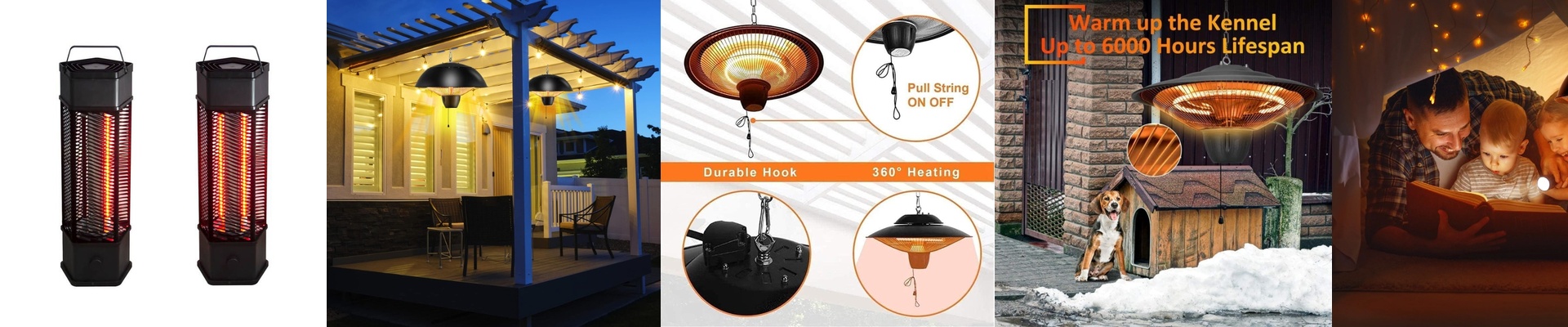
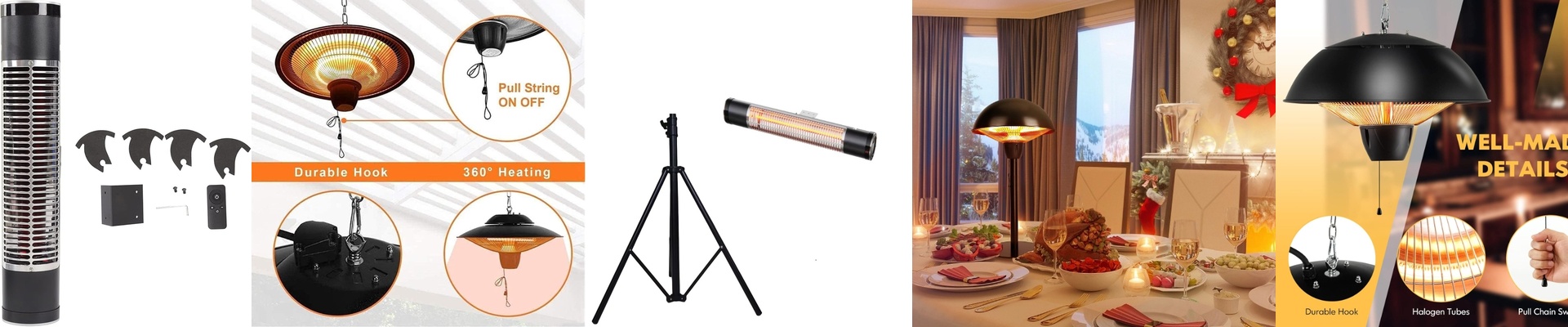

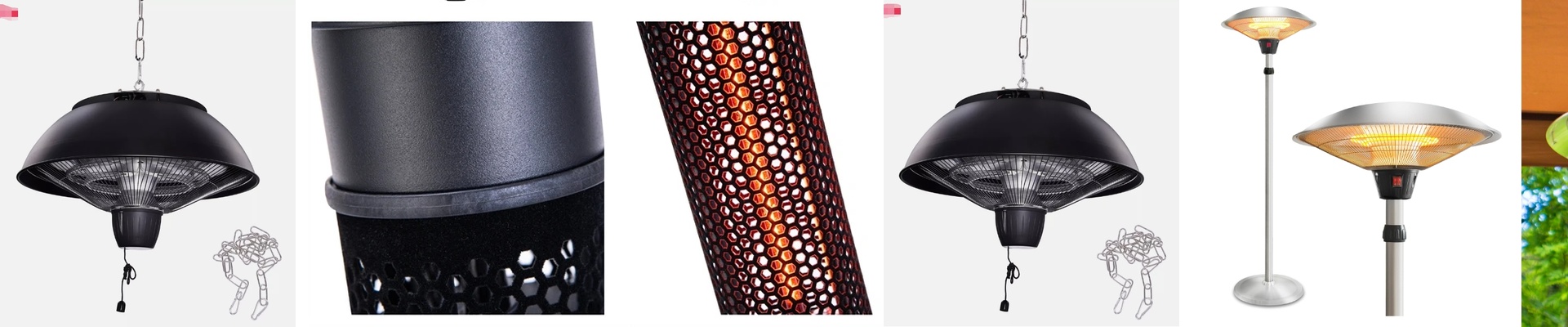
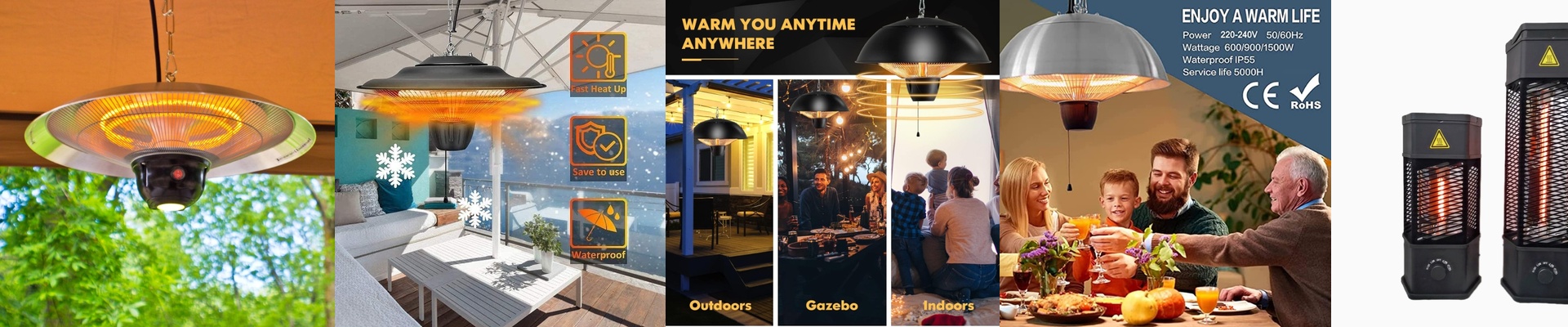
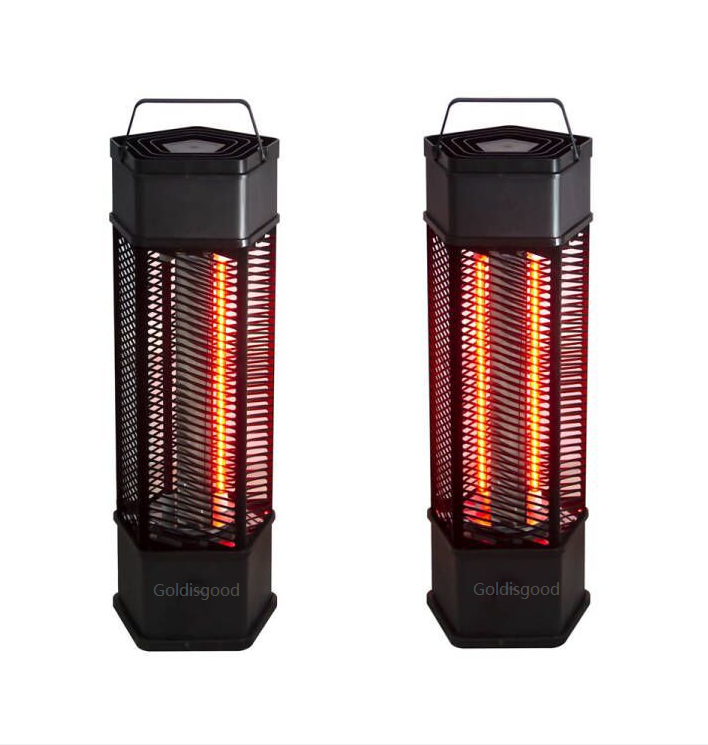
When the office starts to feel like a walk-in fridge, focus goes out the window. Forced-air systems churn out drafts, dry everyone out, and turn the thermostat into a guessing game—one desk baking, the next one freezing. We built a compact electric heater that cuts through that mess by leaning on infrared warmth—heating people and surfaces directly, not just the air.
What’s actually happening under the hood
This unit runs on a carbon fiber infrared element, so the heat is radiant—think of it like standing near a warm wall, but cleaner and quieter. You feel it almost instantly, no waiting around for air to move. In a 150–200 sq ft office zone, it puts out 1,500W on 120V, pulling 12.5A through a standard NEMA 5-15 plug. The footprint is deliberately small—about 8.5 inches wide, 12 inches tall, and 6 inches deep—so it tucks under a desk, sits on a counter, or hangs out in a quiet meeting corner without getting in the way. You get an adjustable thermostat and tip-over protection, and the housing stays cool enough to touch, which matters in shared spaces where people are moving around.
Why this approach clicks in an office
Infrared warmth goes right where comfort matters: hands, feet, shoulders—the places that get stiff when the room is too cool. Because the heat is directional, you can keep occupied spots comfortable without cranking the whole room. That helps hold humidity steady, so you get fewer dry throats and scratchy eyes that winter heating tends to bring. That steady microclimate can also cut down on the cycle of colds moving through the office—fewer interruptions, fewer last-minute scrambles to cover shifts.
The practical stuff—placement and limits
Placement matters. For the best feel, keep the heater 3–6 feet from the seated person, angled slightly off to the side so you don’t get glare. It warms people and nearby surfaces directly, so it won’t fix a drafty window by itself. In open plans, one unit per 150–200 sq ft usually does the job. If the room is larger, add a second unit to smooth out cold spots instead of trying to stretch one heater too far. It’s electric—no gas lines, no venting—but it still needs a dedicated outlet, andskip the extension cord. Warm the people, not the air. That’s how you keep an office comfortable, healthy, and productive through winter.