

Why we built our waterproof heaters to be modular
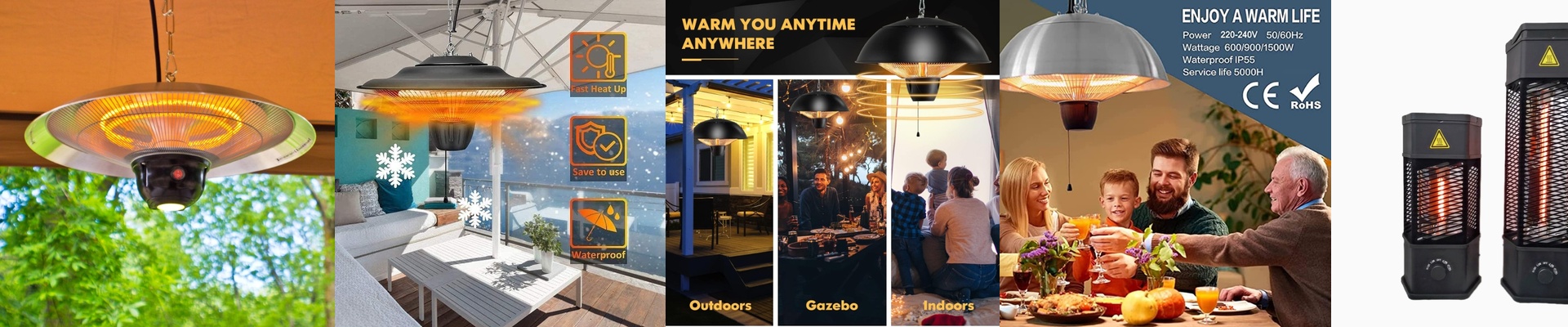
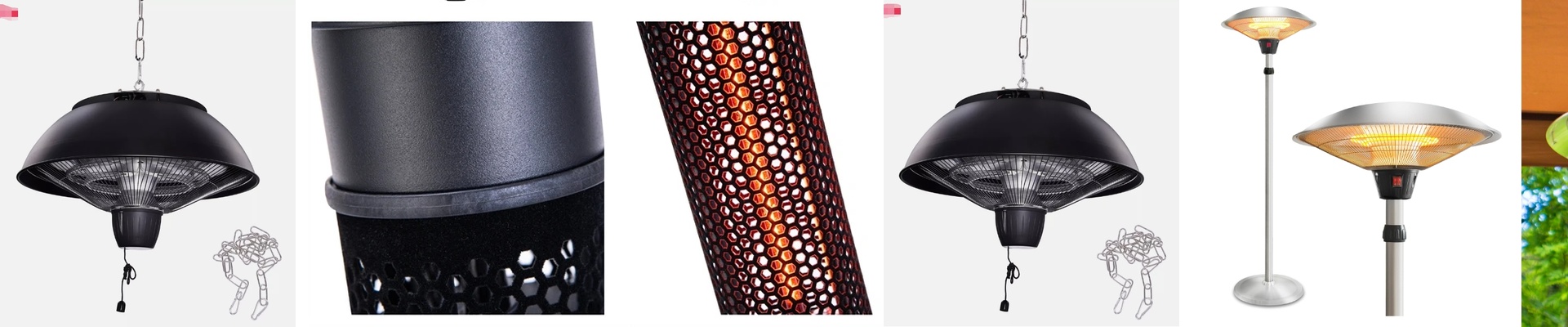
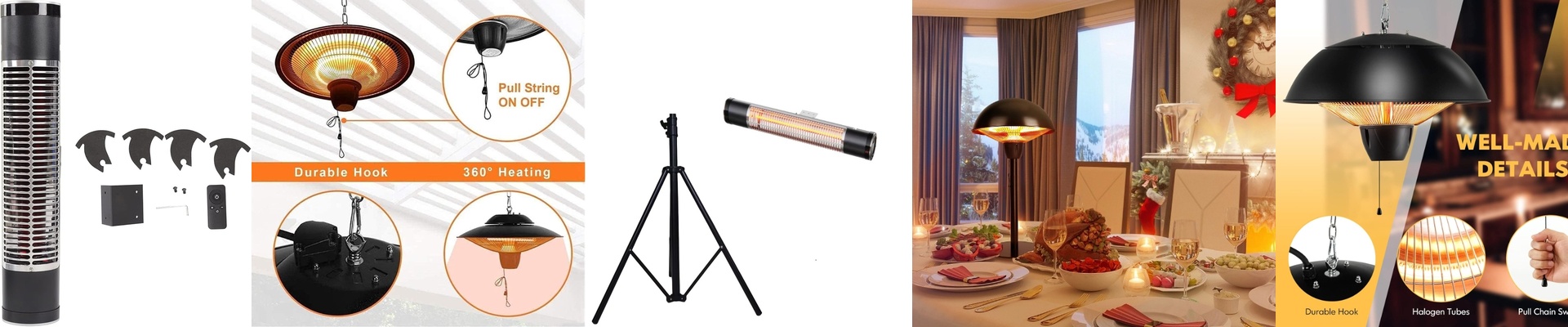
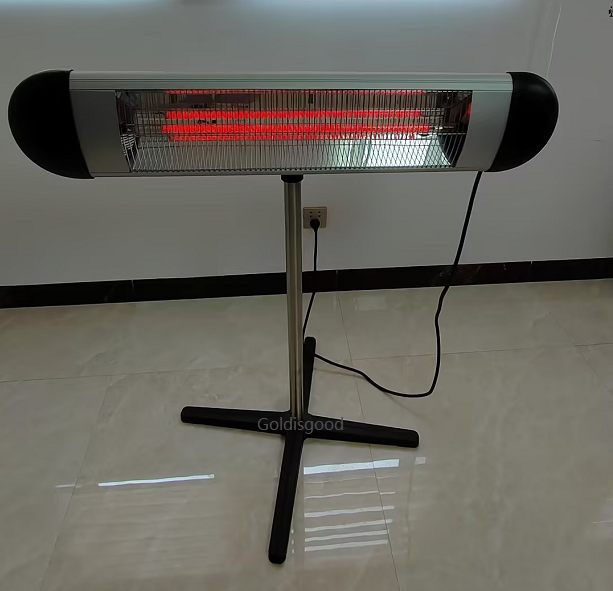
Let’s be honest: industrial heaters usually don’t just stop working. It’s usually one single heating element that burns out. The real nightmare isn’t the broken part—it’s the cost and the headache of actually getting to it. When you’ve got an IP65 waterproof setup, everything is sealed tight. That’s great for keeping out the gunk, but it’s a disaster when you need to fix something. Usually, you’re stuck tearing down the whole housing and praying you don’t ruin the waterproof seal while you’re at it. We thought that was a broken way of doing things. So we changed it. Maintenance that doesn’t suck We designed our chassis so the heating elements aren’t fused to the frame. Instead of a complicated teardown, you just slide the dead module out and drop a new one in. No rewiring the whole control panel. No spending half a day on a ladder. You go from “it’s broken” to “it’s working” in a few minutes. It’s a massive relief when you’re staring at a production line that’s gone cold. The honest trade-off Now, here’s the thing. Modular connectors mean more contact points than a hard-wired system. If you’re sloppy with the installation and leave a terminal loose, high current will cause it to arc and melt the housing. It’s not a design flaw, it’s just physics. We use heavy-duty industrial terminals to make this as safe as possible, but you still need to make sure your installer actually tightens them down. Don’t skip that step. Thinking about the next decade If you’re planning for a 10-year run, you’re going to replace those tubes at least twice. With a standard sealed heater, every time a technician opens the unit, they’re letting in dust and moisture. They’re gambling with the IP rating every time they put it back together. Our way keeps the primary seal intact. You swap the tube, tighten the fasteners, and you’re back in business. For a plant that can’t afford to stay offline for hours, it’s just the practical way to do it.