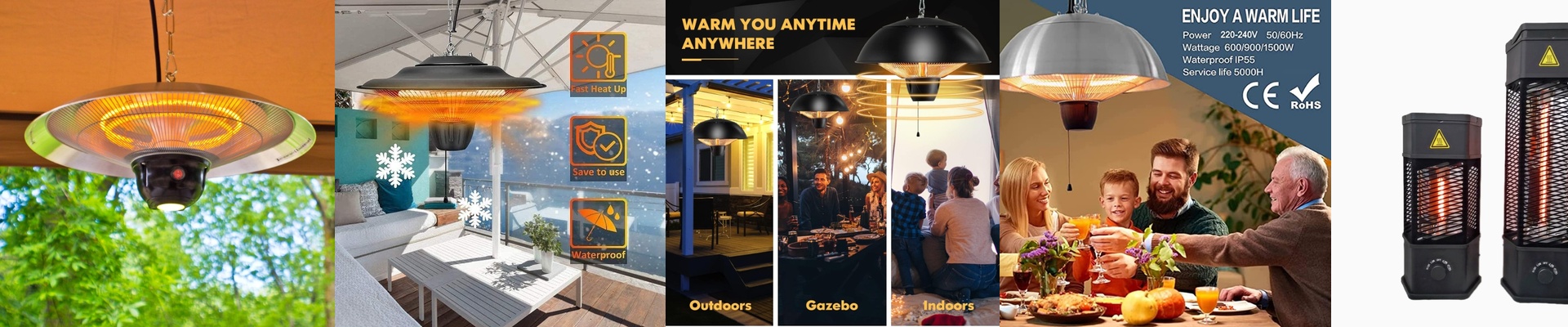

How to actually heat a wet changing room without wasting energy
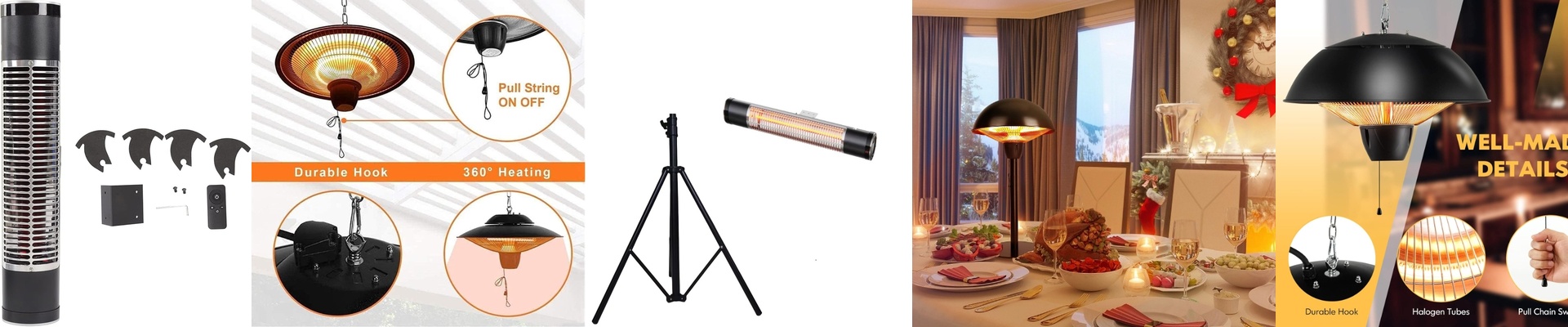
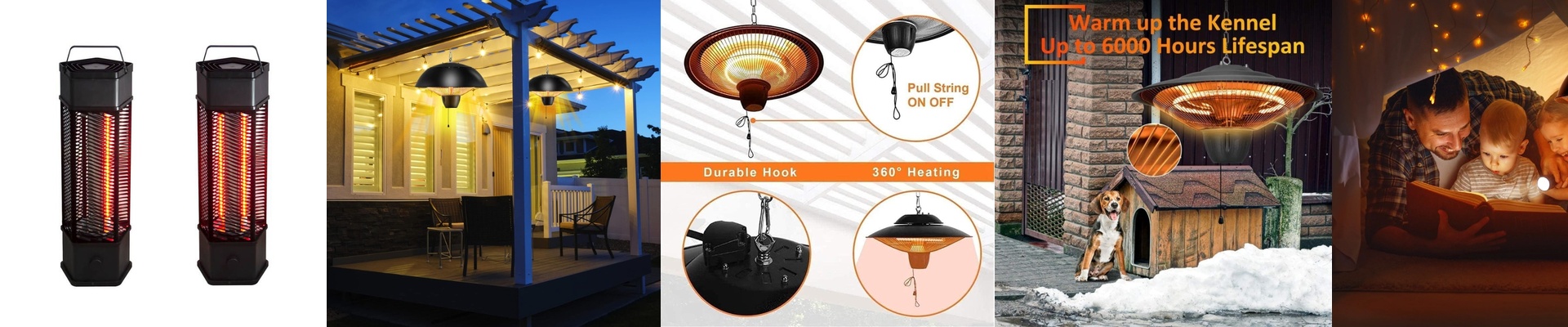
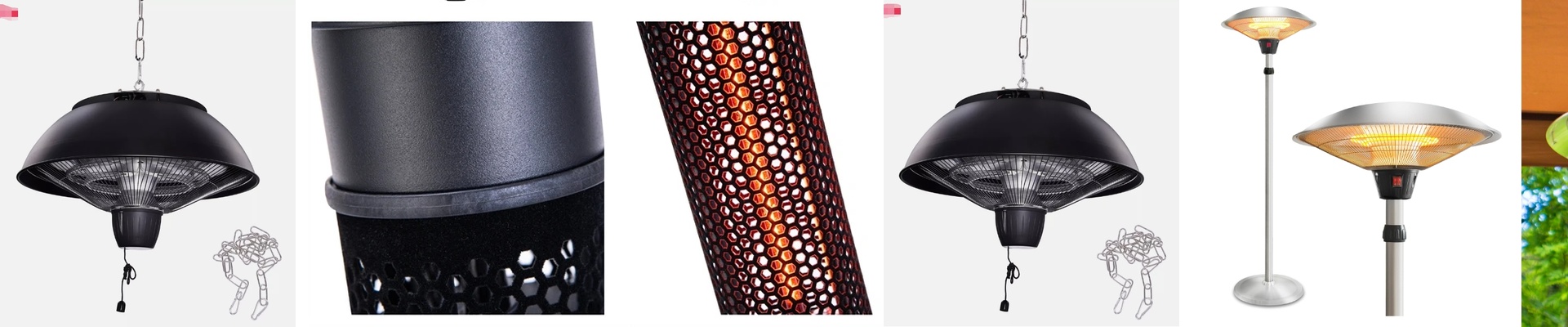
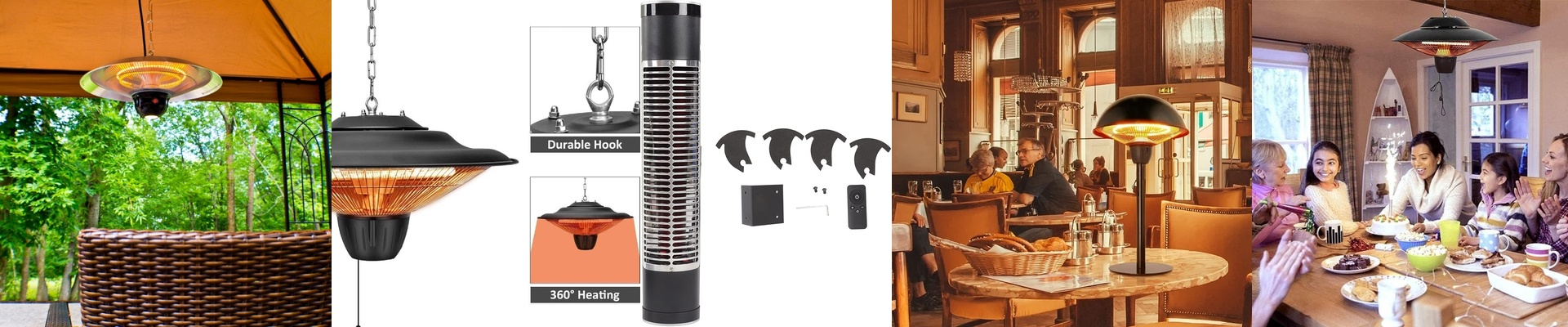
If you’ve ever tried to heat a locker room or a wet changing area with a standard heater, you know it’s a losing battle. Those typical heaters try to warm up the air. But in a drafty, humid room? That heat just disappears. It’s gone before it even hits the floor. That’s why we go with shortwave infrared. Instead of fighting the air, these heaters send out energy that hits your skin or the walls and turns into heat instantly. It’s that “five-star” feeling of warmth you get the second you step under it, even if the rest of the room feels like a freezer.
Why it works so fast
We use high-wattage quartz elements because they don’t need time to “warm up.” They’re on almost instantly. Think of it like the sun. The sun doesn’t heat the vacuum of space to keep you warm; it just beams heat directly onto you. Our heaters do the same thing. They ignore the cold air and the drafty hallways and put the heat exactly where people are actually standing. No wasted kilowatts, no heating the ceiling for no reason.
The battle against water
Water and electricity are a nightmare pairing. In a changing room, you’ve got steam, splashes, and constant humidity. One leak into a live terminal and your unit is fried or your breaker is tripping every ten minutes. To stop that, we seal the electrical connections and the housing tight. We use specific gaskets and coatings to keep the insides bone-dry. But here’s the tricky part: you can’t just seal it in a plastic box. If it’s 100% airtight, the internal wiring can actually cook itself. We have to design the housing so it sheds water but still lets the chassis breathe. It’s a delicate balance.
A few things to keep in mind
Infrared is powerful, but it’s focused. If you mount these too low, you’ll end up with people who have toasted shoulders and freezing toes. You’ve got to get the height and the angle just right based on the wattage to make sure the warmth spreads evenly. Also, a quick heads-up on the power: these high-wattage units pull a lot of current. Just double-check that your breakers can handle that initial surge when they kick on, or you’ll be spending your afternoon resetting the power panel.