
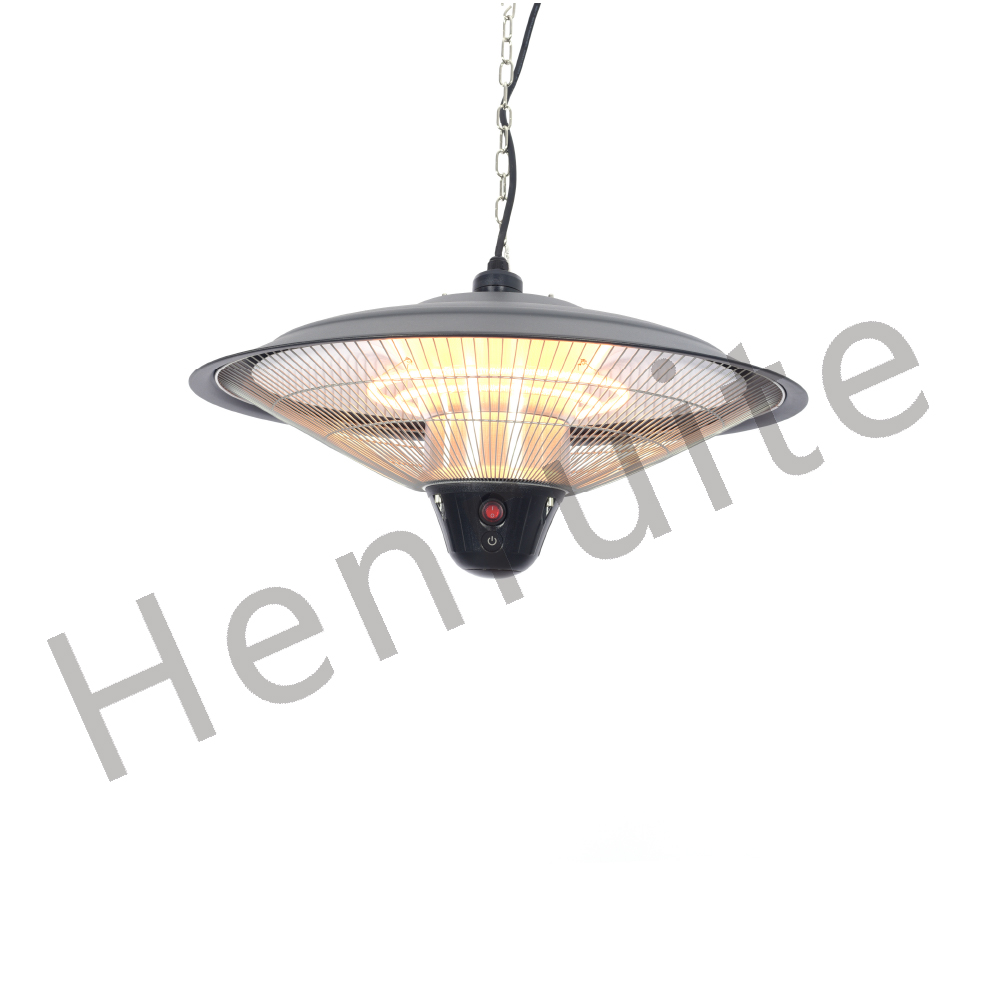
Why You Can’t Skip Explosion-Proof Quartz in the Bathroom
Let’s be honest: bathrooms are a nightmare for electronics. You’ve got steam everywhere, random splashes of water, and temperature swings that would make a thermostat dizzy. If you use a standard quartz heater in there, you’re playing a dangerous game. Imagine a single drop of cold water hitting a glowing, white-hot quartz tube.**Pop.**That’s thermal shock. The glass doesn’t just crack; it shatters. And nobody wants a rain of glass shards while they’re stepping out of the shower.
The “Explosion-Proof” Secret
To stop that from happening, we use explosion-proof quartz. Now, don’t let the name scare you—it doesn’t mean the heater is a bomb. It just means the glass is engineered to handle those brutal temperature jumps. We use specific coatings and materials that keep the tube stable even when it’s hit with moisture. It’s the difference between a cheap glass and a heavy-duty one. If you go with a heater that isn’t rated for this, you’re basically inviting a disaster into your bathroom.
How the Heat Actually Works
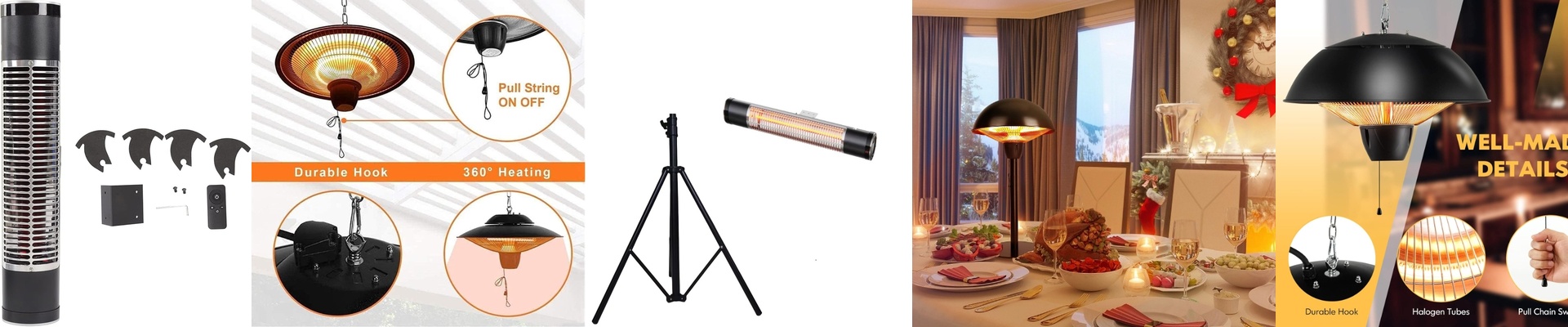
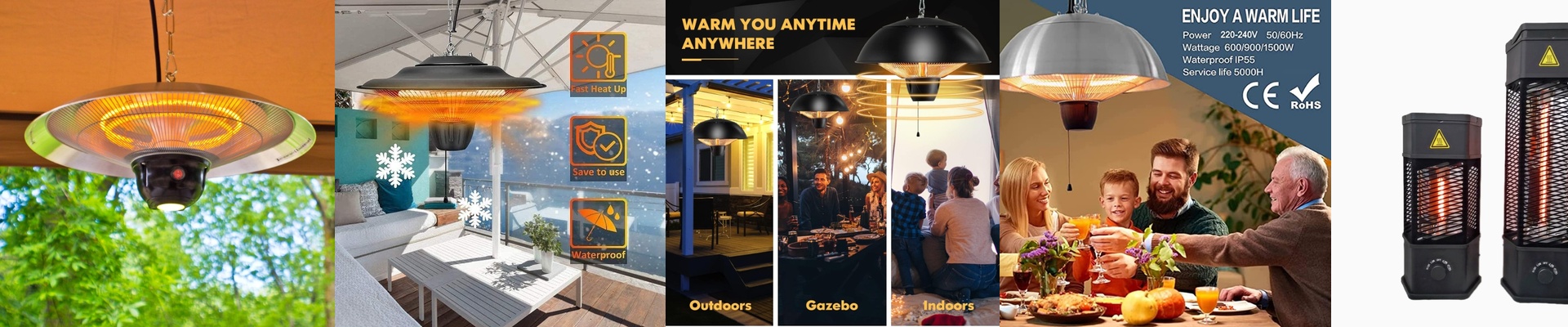
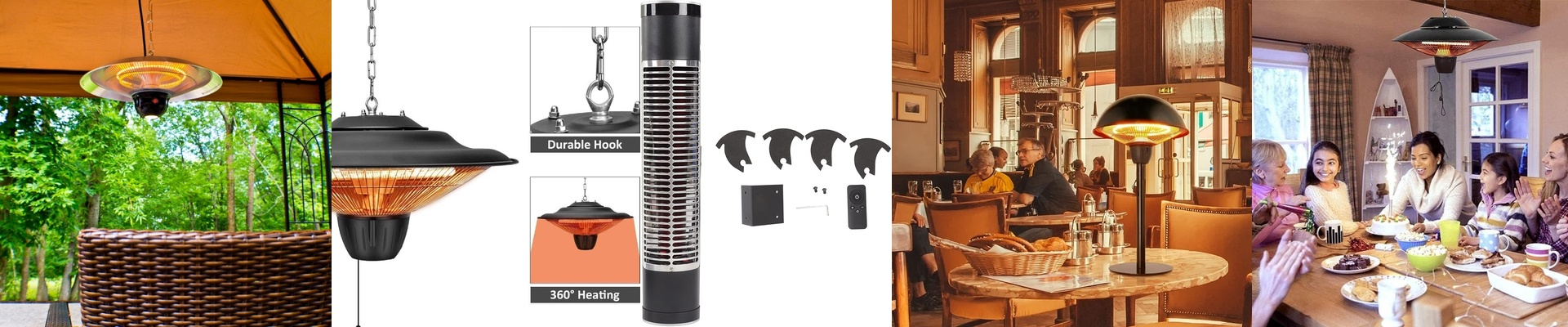
These lamps use shortwave infrared. Instead of trying to warm up all the air in the room (which takes forever), they beam heat directly at you. It feels like stepping into a patch of sunlight on a cold day. Immediate. Cozy. Inside that quartz tube, there’s a tungsten filament. We keep it sealed tight to maintain what’s called a halogen cycle. This basically recycles the tungsten back onto the filament so the bulb lasts way longer. But a heads-up: this stuff getshot. Really hot. That’s why the housing has to be tough. You don’t want your wall paint scorching or your plastic brackets melting because the heater is working too hard.
Getting it Installed Safely
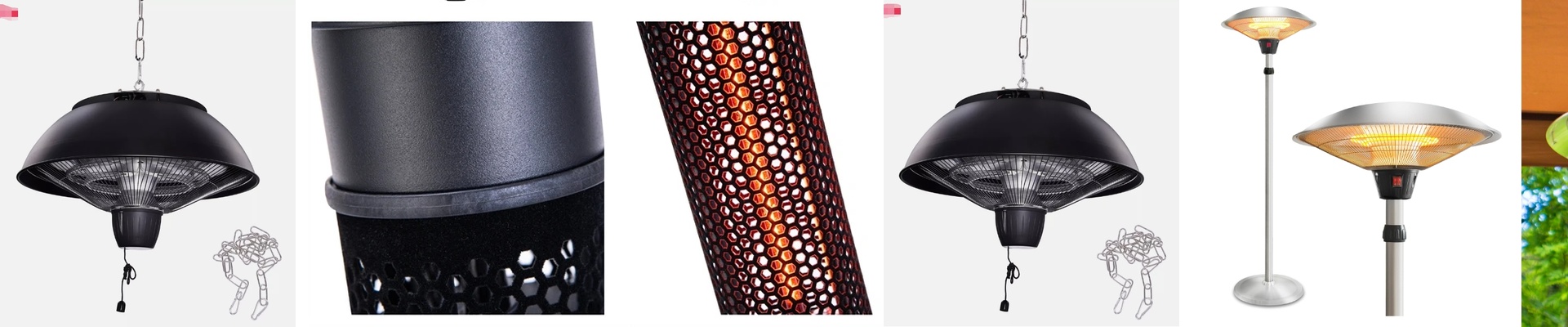
When it comes to the wiring, don’t cut corners. You need grounded circuits and a GFCI outlet. Water and electricity are a bad mix, and we all know it. One thing to keep in mind: “explosion-proof” refers to the glass, not the whole unit. The tube won’t shatter, but that doesn’t mean you can spray the entire heater with a hose. You still need a chassis with a proper IP rating to keep the internals dry. Yeah, these units cost a bit more upfront than a basic heater. But compared to the headache (and danger) of a shattered lamp in a wet room? It’s a no-brainer.