

Making Glassware Cooling Actually Work (Without the Headache)
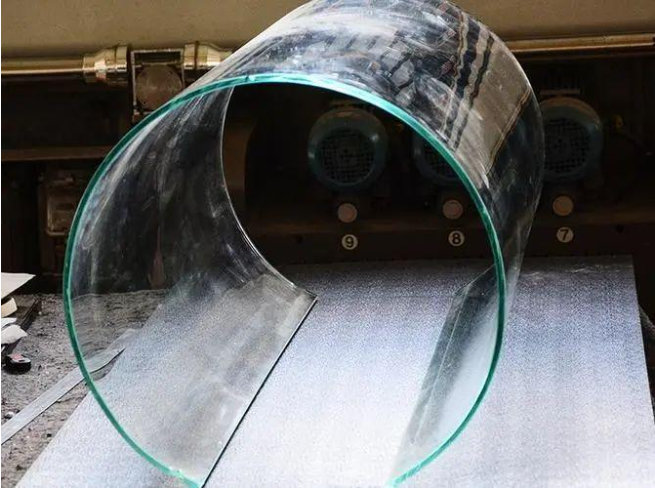
If you’ve spent any time on a glass production line, you know the drill. One tiny slip in your thermal gradient and—crack—there goes your piece. Stress fractures are a nightmare. That’s why we obsess over the way our cooling control heaters actually sit on your machines.
The Retrofit Struggle
Let’s be honest: upgrading your heating system usually feels like a gamble. You look at your current setup—maybe a mix of old spiral heads and those weird, custom-shaped interfaces—and you dread the thought of the install. Nobody wants to spend their weekend milling new brackets or tearing apart a housing unit just to get a modern controller running. That’s why we made our heaters adrop-in replacement. We build our connectors to match the spiral setups you already have. No destructive modifications. No “hacking” the line together. You just wire it up, lock it in, and get back to work.
A Quick Warning on Heat
Getting the hardware in place is the easy part. It’s basically plug-and-play. But here is the thing: if you switch to a higher-density heater to get better control, you’re putting more heat into the chassis. If you bump up the wattage for a faster response, just double-check your cooling fans or water jackets. You need to make sure they can actually pull that extra heat away from your electronics, or you’re just trading one problem for another.
Dealing with the Gaps
Now, “universal” usually means “close enough,” and in the world of glass, “close enough” can be dangerous. Small air gaps can sneak in if the fit isn’t perfect. Those gaps lead to uneven heat, and uneven heat leads to broken glass. To fix this, we use adaptable mounting plates. They keep the heater at a dead-steady distance from the glass surface. It keeps your thermal profile flat across the whole piece. No surprises. No cold spots. Just a clean, predictable cool-down.