Why “Close Enough” Isn’t Good Enough for Glass Annealing
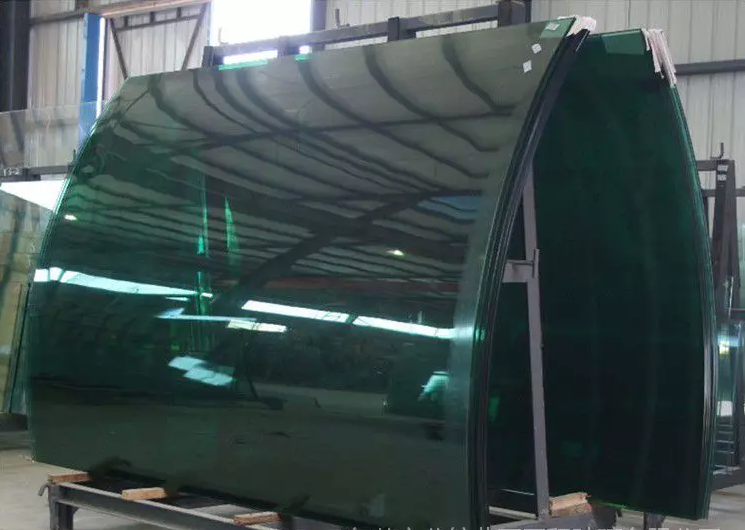
Glass annealing is all about precision. But here’s the problem: if your heating lamps are off by even 5%, you’re in trouble. You get these annoying hot spots that create internal stress in the glass. One minute you’re looking at a perfect piece, and the next, it spontaneously shatters or warps the second you try to cut it. It’s frustrating. You run a whole batch, and for some reason, one tray is gold and the next is total scrap.
The struggle with “off-the-shelf” lamps
Most IR lamps you can just buy online have a tolerance range that’s way too wide for this kind of work. Think about it. If you’ve got a bank of twenty lamps and three of them are just slightly “lazy,” your glass never hits that soak temperature evenly. You end up with a temperature gradient. At that point, you aren’t just fighting the airflow in your oven—you’re fighting the actual hardware.
Killing the “Cold Spot”
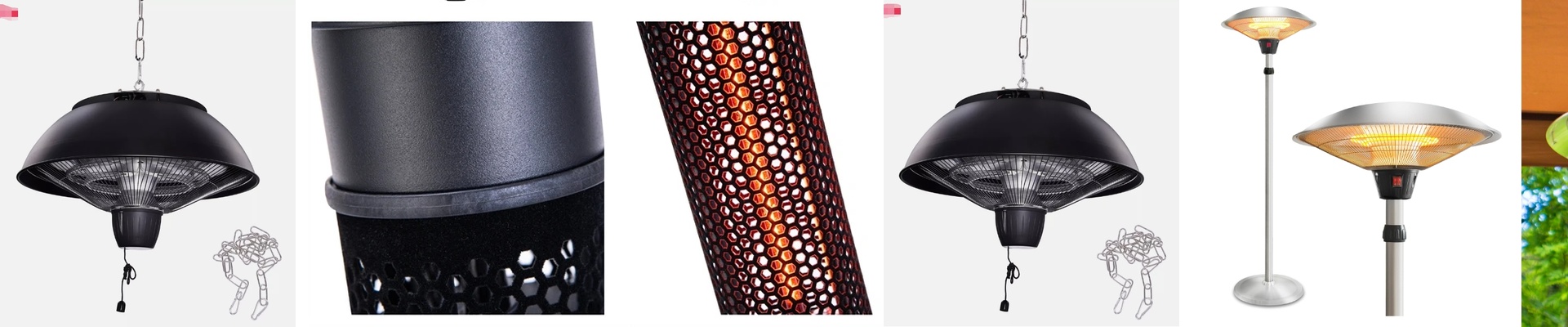
We focus on tightening the wattage and spectral output on every single tube. We’re talking tighter filament winding and cleaner quartz to keep that heat curve flat. When the radiant flux is identical from the first tube to the last, something great happens: you can stop messing with your PID controllers. No more constant manual tuning just to compensate for a few weak lamps. You get a uniform heat map. The thermal stress vanishes evenly, no matter where the glass is sitting in the kiln. It just works.
The honest trade-off
I’ll be straight with you—this kind of consistency costs more. To hit these specs, we have to toss out any tubes that don’t fit in a very narrow performance window. That makes the initial bill higher than if you bought generic lamps. Also, because these lamps deliver such a precise, heavy heat load, your electrical panels need to be up to the task. If your wiring has a voltage drop, it’ll kill the consistency of the lamps. It’s like putting racing tires on a car with a broken engine—you won’t actually feel the benefit.