Stopping Glass from Shattering During Tempering
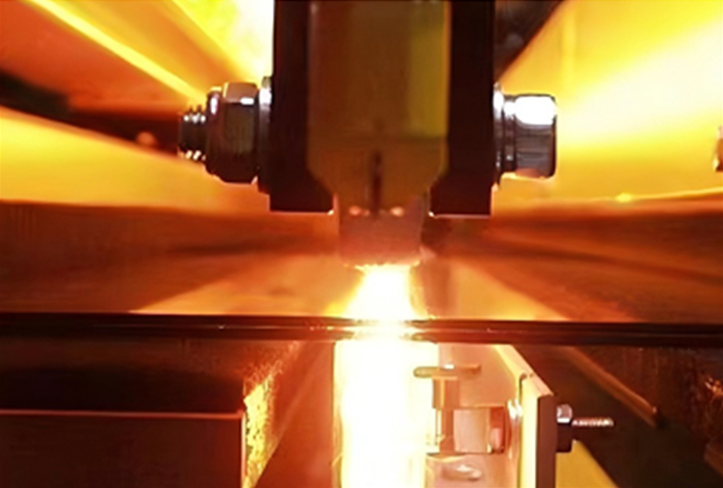
If you’ve ever worked with a glass lehr, you know the most stressful part is the hand-off from heating to cooling. That’s where things usually go south. If the temperature dips too quickly, or if one side of the glass cools faster than the other, you get internal stress. Sometimes it shatters right there in front of you. Other times, it looks fine, but it’s ticking like a time bomb and will crack later. To stop this, we use short-wave infrared (IR) lamps. Why? Because they react almost instantly. You change the power, and the heat changes. No waiting around. Getting the heat just right Protecting your glass from thermal shock is all about controlling how the heat hits the surface. Old-school resistive elements are sluggish—they hold onto heat long after you’ve turned them down. IR lamps are different. Since we pair them with SCR controllers, we can tweak the wattage in milliseconds. It lets us match the heat to the actual mass of the glass, which kills those dreaded “cold spots” that ruin a batch. The gear that actually works We usually go with high-wattage quartz halogen tubes. Here is the trick: short-wave radiation actually sinks deeper into the glass than long-wave heat. It means the core of the piece gets up to tempering temperature without scorching the outer skin. One quick tip on the setup: keep an eye on your voltage drops if you’re running a long lehr. If you’re wiring up a massive wall of lamps, make sure your busbars can handle the peak current. If they can’t, you’ll get flickering and uneven heat zones, and you’re right back to square one. The reality check Now, you want high heat density, but that comes with a catch. When you push these lamps to the limit, they throw off a ton of heat—not just toward the glass, but everywhere. If your exhaust fans can’t pull that ambient heat away from the housings, you’re going to fry your connectors and melt your wiring. It’s a balancing act. You have to weigh the IR intensity against your airflow so the hardware doesn’t cook itself while it’s trying to temper the glass.