
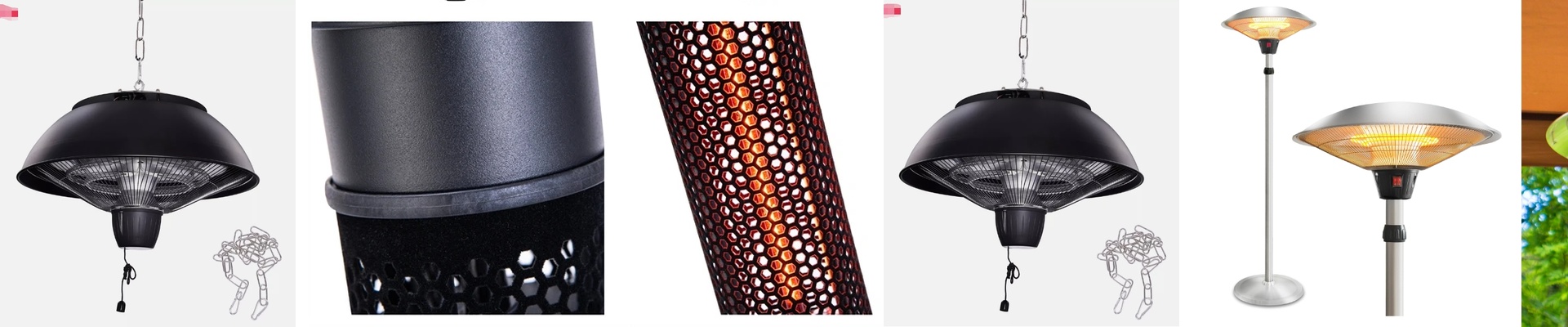



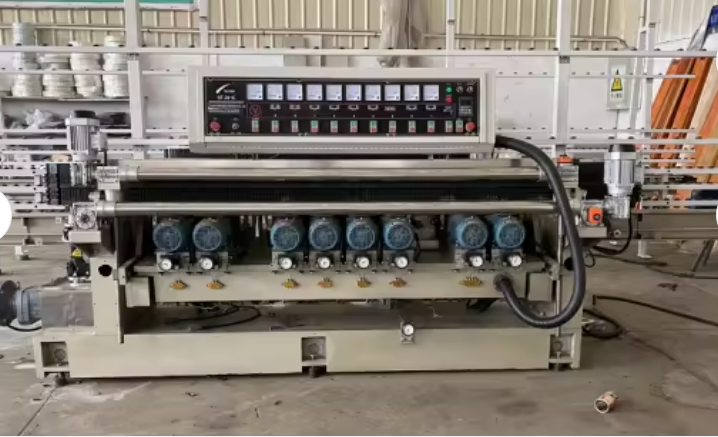
On a glass line, time and temperature aren’t just numbers—they’re the levers that make or break yield. When heat lags or drifts, you pay for it: warped bends, tempering that runs late, lamination voids that only show up at inspection. An infrared tunnel for glass drying takes those swings out of the equation by putting repeatable heat right where it needs to be. What matters under the hood We run short-wave infrared emitters in a tunnel so the energy punches through coatings and adhesive layers fast, with far less reliance on convection. That gives you a quick thermal response and a tight temperature band across the width of the glass. The output is built for industrial duty—stable power density and a control strategy that holds setpoint within tolerance even when line speed changes. The emitters run hot, but the design keeps the heat on the glass, not in the plant, by directing radiation and managing reflection. Why it earns its keep on glass lines This tunnel hits the moments that define glass processing. In hot bending, it preheats molds and glass evenly, cutting down thermal shock and preventing stress fractures. During tempering, it delivers the rapid, uniform preheat that keeps break patterns predictable. In lamination—whether you’re running EVA, SGP, or PVB—it pushes the adhesive cure hard enough to make takt time, while keeping bubbles in check. For coatings, it dries solvents fast, so you spend less time chasing rework. Energy use drops because heat only comes on when the glass is there, and cycle time falls because the ramp is short and controlled. What you need to plan for Installation is straightforward on most lines, but the tunnel needs a clean line-of-sight to the glass and a clear path for heat distribution. Airflow and reflector alignment directly affect uniformity. It also needs stable power—warm-up draws a serious peak, so line up voltage and connector compatibility with your panel and machine interface. Once it’s aligned, it acts like a production tool: predictable, repeatable, and easy to fold into your daily control limits.