Why You Should Be Preheating Your Glass
Think of cutting glass as a “controlled break.” When you run a diamond wheel across the surface, you’re basically just teasing the glass, creating a tiny line of stress. But here’s the problem: if you try to snap that glass while it’s cold, it doesn’t always listen. The crack wanders. You end up with those annoying chips or a messy breakout at the corners. It’s frustrating, and it wastes material. That’s where infrared (IR) preheating comes in.
Making the Glass “Give”
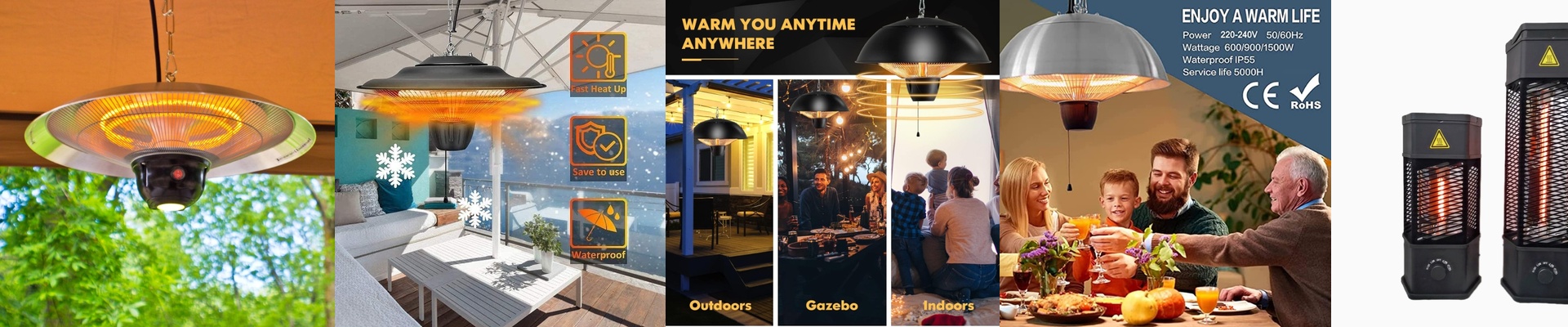
IR lamps don’t just make the glass warm; they actually change how the material behaves. By hitting the surface with heat, you relax the internal tension. It makes the glass feel a bit more forgiving. Instead of fighting the material, the crack just slides right along your score line. The result? A clean, crisp edge every single time. We usually go with short-wave IR emitters. They’re great because they punch through the surface fast. You don’t have to waste time heating up the entire slab—just the part that matters.
The Gear (And the Gotchas)
To make this work, you need some serious muscle—usually high-wattage quartz halogen tubes. You need a lot of heat, and you need it now. If you go too cheap on the wattage, the glass stays too chilly, and those chips start showing up again. But a word of warning: these lamps put out an incredible amount of heat. If your housing isn’t vented properly or your fans are acting up, you’re going to have a bad time. You’ll melt your sockets or warp your brackets before you know it. You have to find that sweet spot where the glass gets hot, but your machine doesn’t cook itself.
Better Yields, Less Stress
Adding an IR stage right before the cutting head is one of the easiest ways to stop throwing money in the scrap bin. It’s a lifesaver if you’re struggling with thick glass or tempered sheets that just won’t break clean. Once you get it wired up and find your temperature window, the edge quality just stabilizes. You stop guessing and start actually controlling the break.