
Keeping Your Bathroom Infrared Heaters from Shorting Out
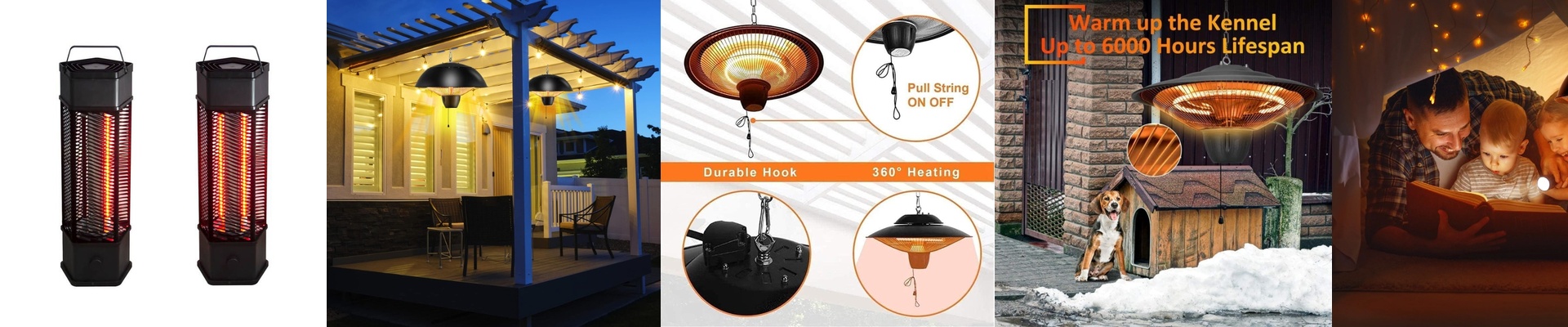
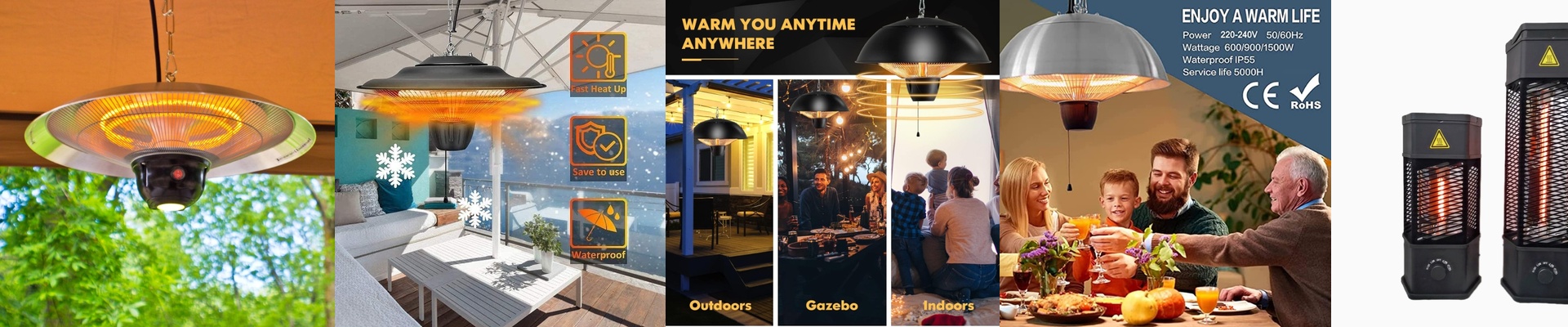
Putting an infrared heater in a bathroom is a bit like putting a toaster in a rainstorm. You’ve got constant steam and the occasional stray splash of water. If you aren’t careful, those heating elements will short-circuit or—even worse—start leaking current. The real secret to keeping things safe is all in the seal where the quartz tube meets the electrical terminals. That’s where the battle is won or lost.
Why moisture is such a pain
Steam is sneaky. It finds the tiniest gaps in a heater’s housing and just crawls right in. Once that moisture hits the live terminals, you get “tracking.” Basically, the electricity starts wandering across the insulator instead of staying where it belongs. To stop this, we stick with high-grade ceramic insulators and silicone gaskets. These materials just don’t soak up water. Some people try to save a buck with cheap plastics, but those just warp under the heat and leave the door wide open for moisture to seep in.
Getting it actually isolated
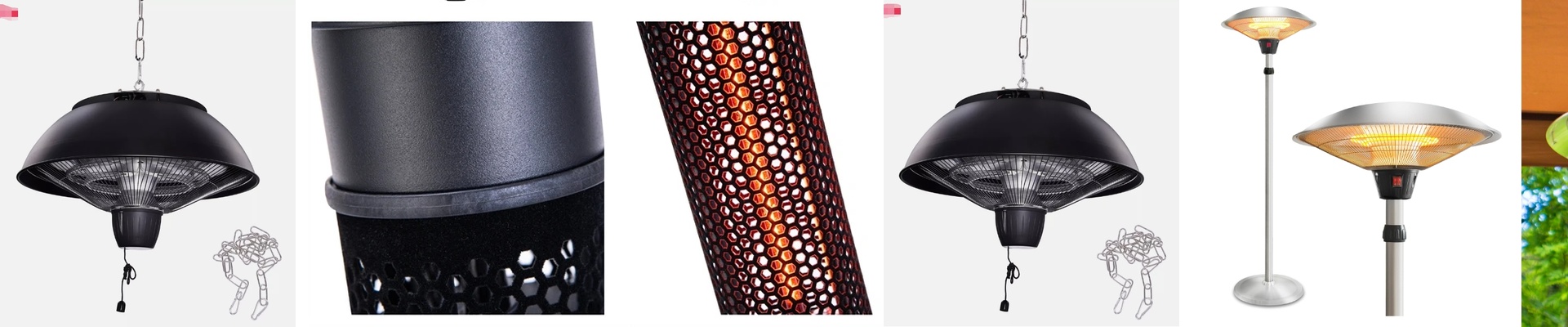
We use IP-rated enclosures for these units because “water-resistant” usually isn’t enough. The heating element is typically a shortwave quartz tube. To keep the whole thing from becoming a hazard, the wiring has to run through conduits that can handle both the heat and the humidity. We use double-insulated cabling. That way, even if the outer layer gets beat up, the live wire stays tucked away and safe. Here’s the thing: the connection points are almost always the weakest link. You can’t just wrap some electrical tape around them and call it a day. You need a real mechanical seal that locks out the humidity entirely.
The trade-offs you should know about
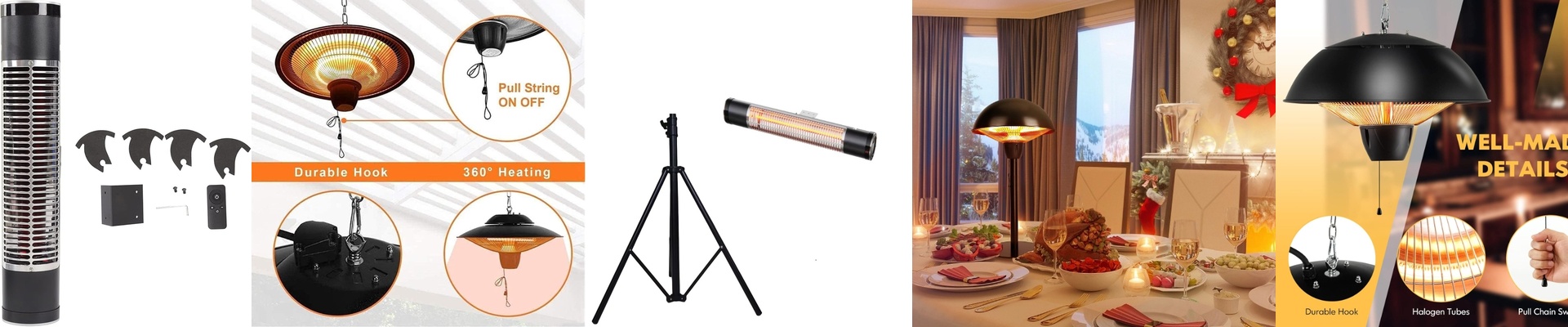
None of this comes for free. Waterproofing adds bulk. Because you need room for those gaskets and drainage channels, the heater’s footprint gets a bit bigger. You might have to tweak your wall mounting or double-check your ceiling cutout before you start drilling. Also, a tight seal traps heat inside the unit. It’s a bit of a balancing act. You have to make sure your thermal cutoff switches are dialed in perfectly so the unit doesn’t overheat while it’s fighting off the steam. And for peace of mind? Just wire it into a GFCI. It’s that extra layer of safety that lets you actually relax in the shower.