

Stop Throwing Away Your Outdoor Heaters
Most outdoor heaters are basically sealed boxes. Sure, that IP65 rating is great for keeping the rain and dust out, but it creates a massive headache down the road. It turns the heater into a disposable product. The second a heating element burns out—which happens eventually—the whole thing is basically junk. Why? Because getting to the internals is a nightmare. Most people just scrap the entire chassis and start over. It’s a waste of money and a pain in the neck.
A Better Way to Build
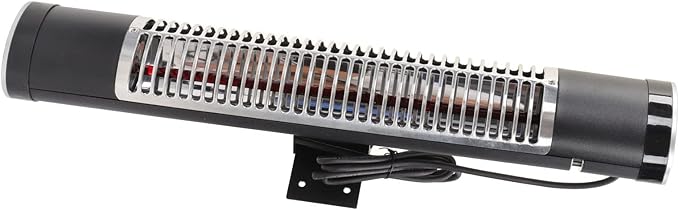
We decided to do things differently. Instead of soldering and hard-wiring everything into the frame, we went with a modular, plug-and-play setup. Think of it like a cassette. The heating tube and the reflectors sit together in one removable module. When a tube finally gives up the ghost five years from now, you don’t have to rip the mounting brackets off the wall or mess around with the wiring in the junction box. You just pop the old module out, slide a new one in, and you’re done. It turns a two-hour teardown into a ten-minute swap.
The Trade-off
Here’s the honest truth: keeping something water-tight while making it easy to open is a bit of a balancing act. We use compression gaskets and locking clips so you get that IP65 seal without needing permanent glues or resins. Now, because it’s modular, you might get a tiny bit of heat loss compared to a unit that’s welded shut. It’s a small trade-off, but we’ll take a tiny dip in thermal coupling any day if it means the unit is actually fixable. One tip: if you’re putting these in a place with heavy wind, just double-check your mounting hardware. You want everything tight so the vibration doesn’t wiggle the modules loose over time.
Why This Matters for the Shop Floor
If you’re the one managing the facility, this is where it gets really nice. You don’t have to store giant, bulky fixtures in your warehouse “just in case.” You just keep a few spare tubes on the shelf. It saves a ton of space and means your downtime is practically zero. Wire it up once. Forget about it. Then, only touch the internals when something actually breaks.