What’s Under the Hood: Power, Simplicity, and Staying Online
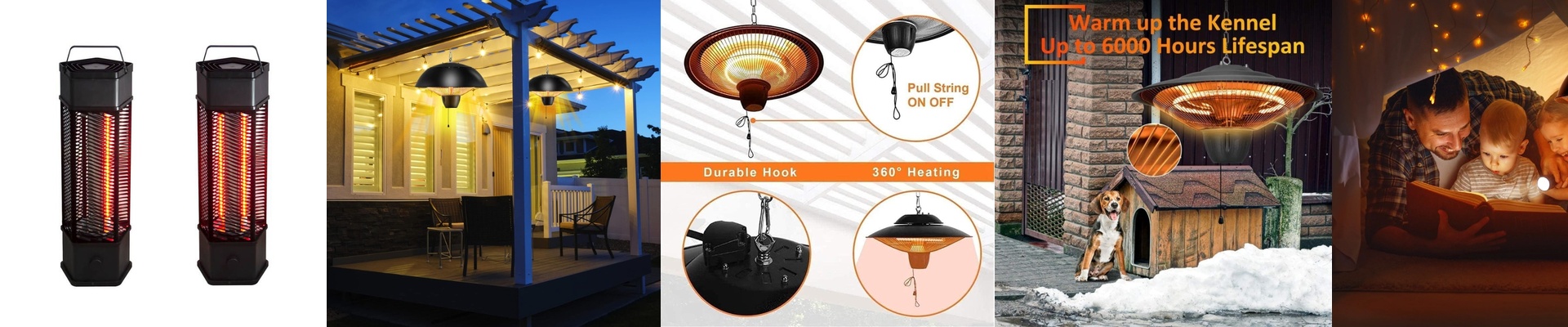
Here’s the thing about this indoor infrared heater—we built it with a mindset that’s all about keeping you running, not waiting around for repairs. The whole design is modular. That means the heating element isn’t some permanent, welded-in part. It’s a replaceable module. The heart of the unit is a high-output infrared tube, built to get hot fast. And that matters, because when something does go wrong, the whole system doesn’t crash. You just swap out the module, and you’re back in business. How it works is pretty straightforward. The module throws out focused infrared energy, which heats people and objects directly, not the air around them. That means less wasted energy, and you get heat exactly where you need it.
The Build: Made to Be Swapped
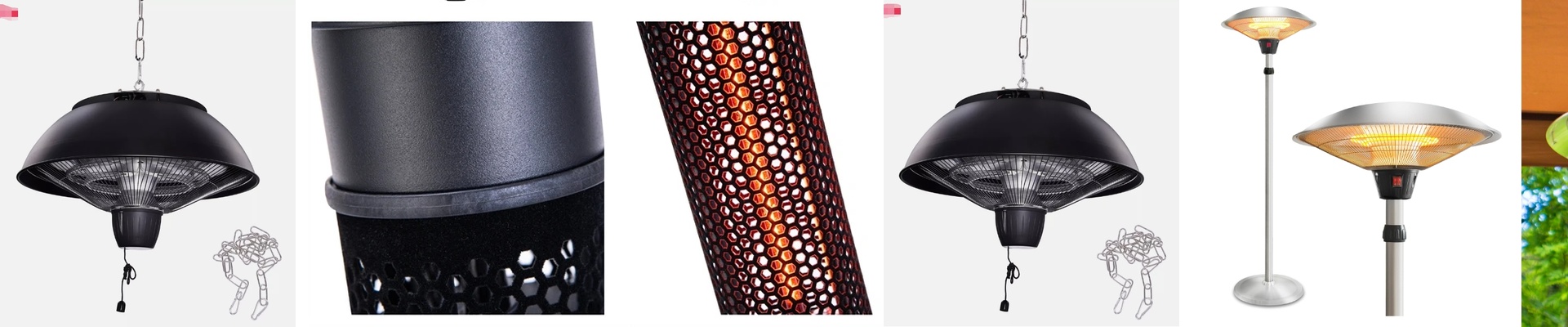
The heating tube itself is wrapped in a quartz envelope with a special coating. That coating shields the filament from the stress of heating up and cooling down quickly, so it keeps delivering steady heat for the life of the unit. But the real win? The connector. We went with a standardized, high-temp connector that handles the power without getting hot under pressure. So when it’s time for a replacement, it’s literally plug-and-play. No wrestling with complicated housings. No hunting for special tools out on the floor. A technician can get to the module and swap it in minutes. This isn’t about making things look pretty. It’s about saving you time and labor. Getting the machine back to work, period.
Built for the Long Haul: Planning for the Real World
We designed this for the places where downtime costs money. So when that heating element finally burns out after five years of solid work, the fix is quick. No overhauling the whole system. Just drop in the new module and go. Now, with this kind of focused heat, you do need to think about thermal management. The unit puts out serious energy, so the equipment around it needs proper airflow. Plan for that in your layout. We’ve got the modular fix ready to go—you just make sure the cooling can keep up with the heat. That’s how you keep maintenance predictable and your operations humming along.