
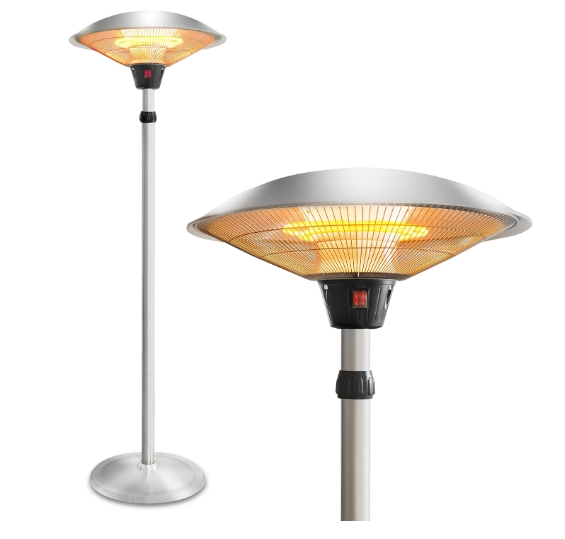
Introduction
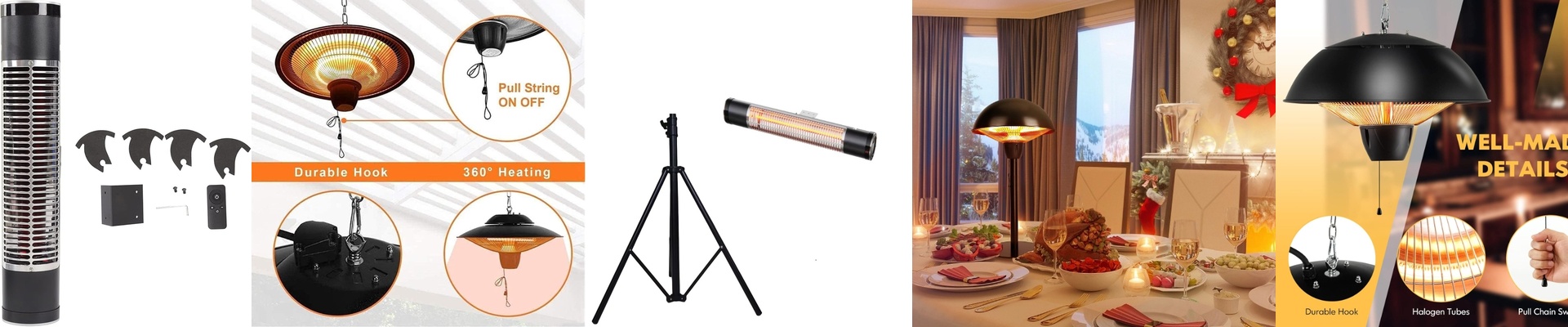
We built this infrared heater for industrial spaces where people stand right next to the heat source. The whole point was simple: give you serious warmth without that harsh, skin-stinging burn you get from standard infrared heaters. Here’s the thing—most heaters just blast heat, and it’s too aggressive. We took a different approach. We use a refined halogen element and carefully control the spectrum, so you get focused, powerful warmth that feels strong but not punishing.
Power, Voltage, and Thermal Control
Under the hood, we’re running a high-density halogen lamp—typically 2500W at 400V. That combo packs a lot of heat into a small footprint, so you can warm a specific zone without turning the whole building into a sauna. And the overheat protection? It’s not a fancy add-on. It’s a hard-wired thermal cutoff that’s tied straight to the lamp’s safe operating limits. If the lamp ever runs too hot, the system cuts power instantly. That means no burned-out elements and a much lower fire risk.
Material & Design: Coated Quartz and R7s Integration
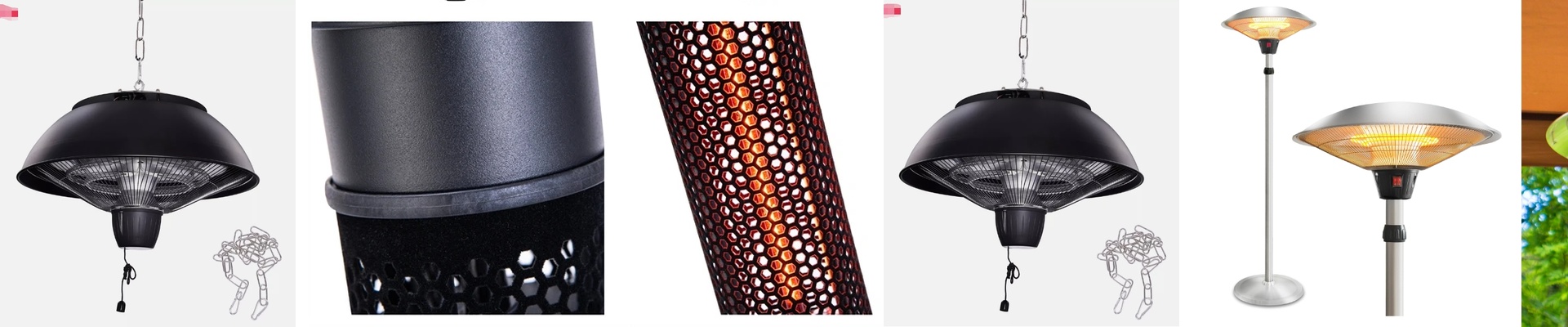
We use quartz glass for the lamp body because it handles rapid temperature changes well and transmits infrared consistently. Then we apply a controlled coating to fine-tune the output, filtering out the harshest wavelengths while keeping the heat output high. That’s the secret behind the skin-friendly feel. We’re not dialing down the temperature—we’re refining the light so it’s easier on exposed skin. For the connector, we went with R7s. It’s a practical industrial choice: handles high current, seats solid, and lets you swap the lamp quickly without rewiring the whole fixture.
Application & Benefits: Heat Where You Need It, Without Compromising Safety
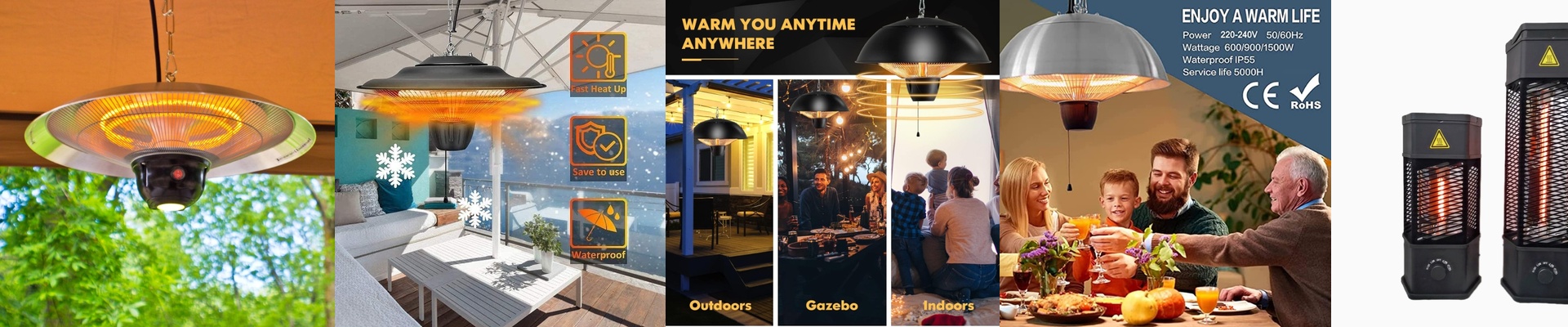
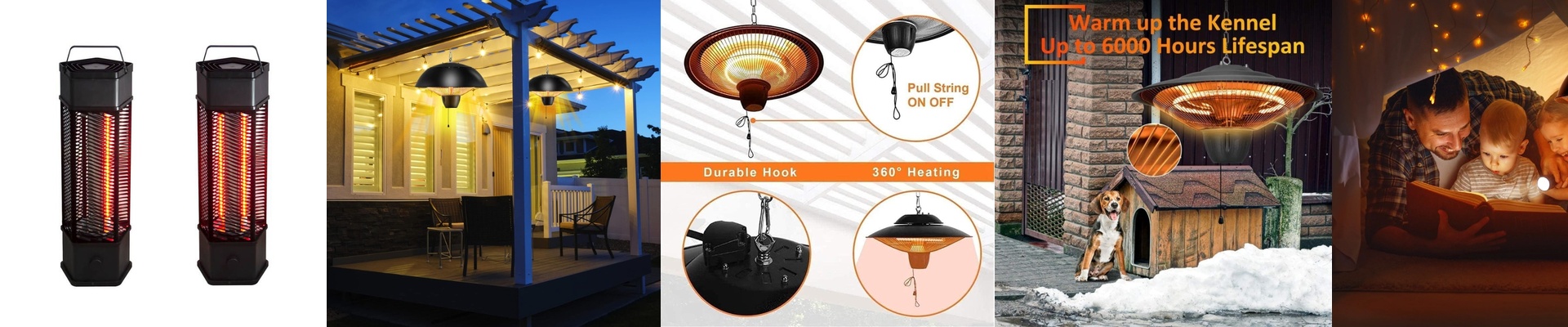
On the floor—whether it’s production areas, maintenance bays, or process stations—you need heat that comes on instantly and stays steady. This design does exactly that, and the overheat protection keeps the lamp within its thermal limits, even during long stretches. One thing to keep in mind: the high heat density means you need proper machine cooling and clear mounting space. Plan your airflow and placement up front, and you’ll get a heater that runs hard, stays reliable, and keeps operators comfortable—without the irritation.