




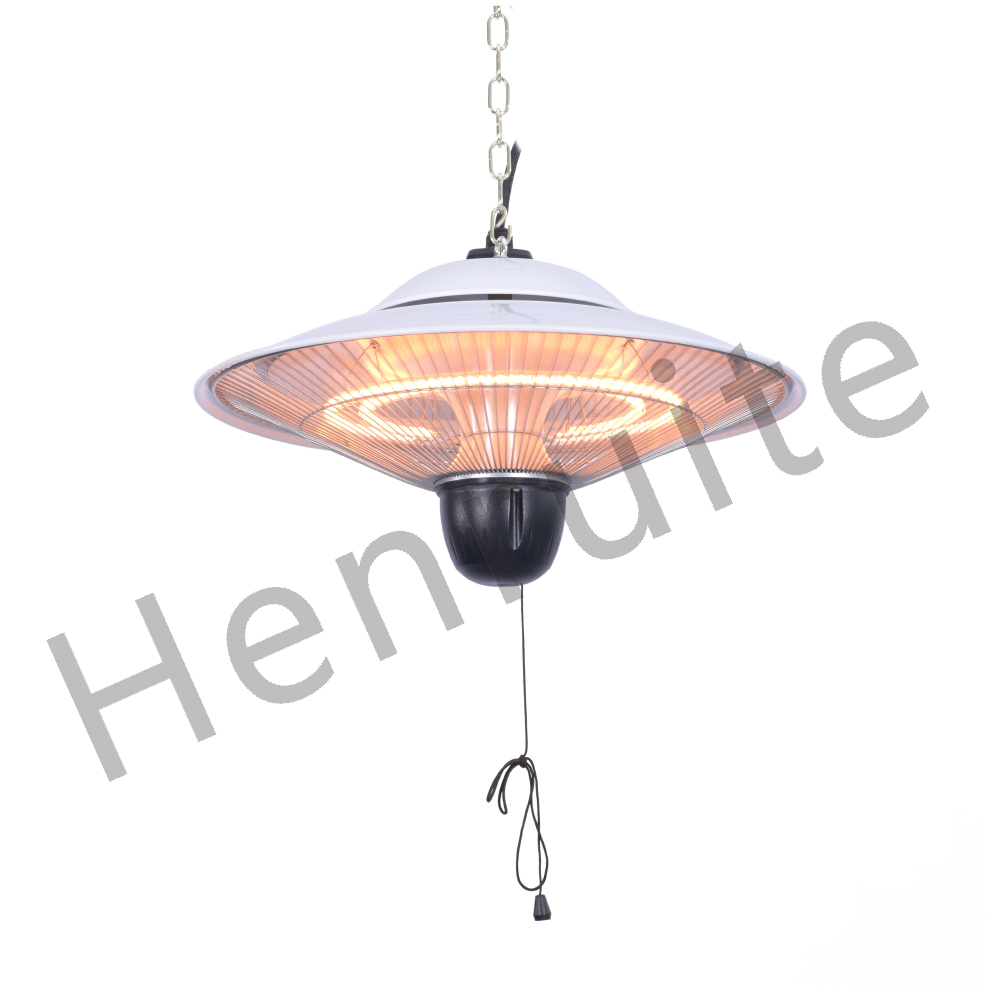
Why Your IR Heaters Keep Shorting Out (And How to Fix It)
If you’ve ever dealt with high-ceiling factory radiators, you know the drill. Everything is running fine, and then—bam—a heater dies. Most of the time, the culprit is the exact same spot: where the electrical lead enters the quartz tube. Here’s what’s actually happening. When these heaters get screaming hot, the metal lead and the glass tube expand at different rates. They don’t move together. This creates tiny, microscopic gaps. It’s not much, but it’s enough for moisture and grime to sneak in. Once that happens, oxidation kicks in, and you’ve got a short circuit on your hands. The problem with “standard” seals A lot of the generic heaters out there just use a bit of adhesive or a cheap silicone plug. It works for a while. But after a few hundred hours of heating up and cooling down, that stuff just burns out. Once that seal cracks, the wire is basically naked. It’s exposed to direct heat and oxygen, the insulation gets brittle, it flakes off, and the whole thing fails. We see this all the time with those “commercial grade” units that are marketed for industrial use but can’t actually handle a 24/7 workload. Doing it the right way To stop those annoying aging-related shorts, we do things a bit differently. We don’t just slap some glue on the wire. We use high-temperature glass-to-metal seals or specialized ceramic potting. Think of it as a permanent, airtight barrier. Because the lead is fused directly to the tube, there’s no air gap for oxidation to start. It keeps the halogen gas locked inside and keeps the gunk out. It just lasts longer. Period. A couple of things to keep in mind There is a trade-off, though. Because this seal is so rigid, the lead wires aren’t as flexible as the cheap ones. Don’t bend them sharplyduring installation. If you force a tight angle, you might crack the seal, and then you’re right back where you started. Just make sure your wiring harness has plenty of slack. Also, if you’re swapping these into an old array, take a quick look at your mounting brackets. These industrial seals are a bit bulkier than the flimsy alternatives. They take up a little more room in the socket, but they won’t melt under a heavy load.