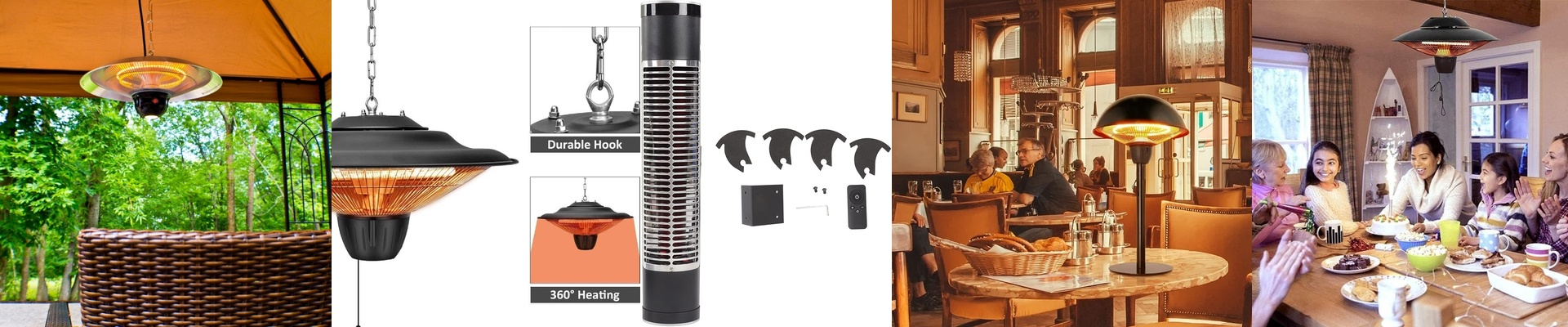
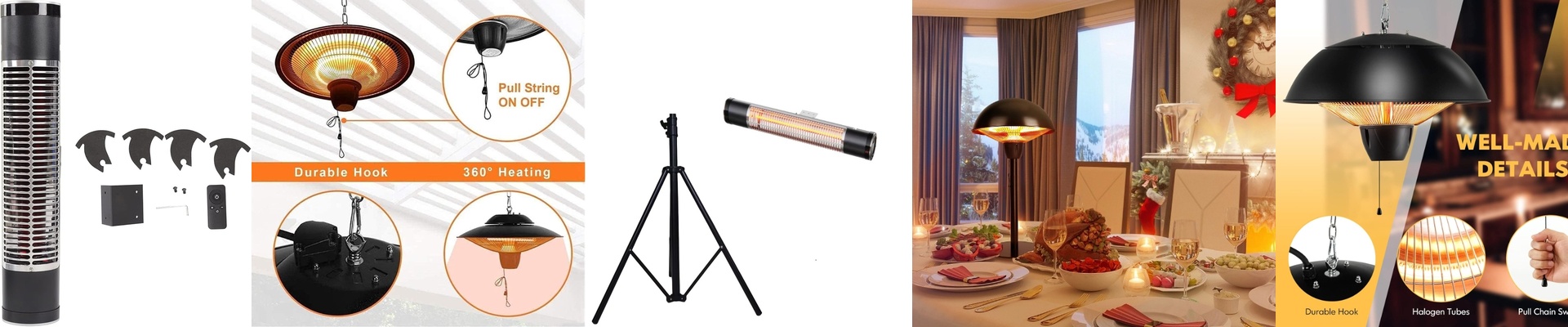
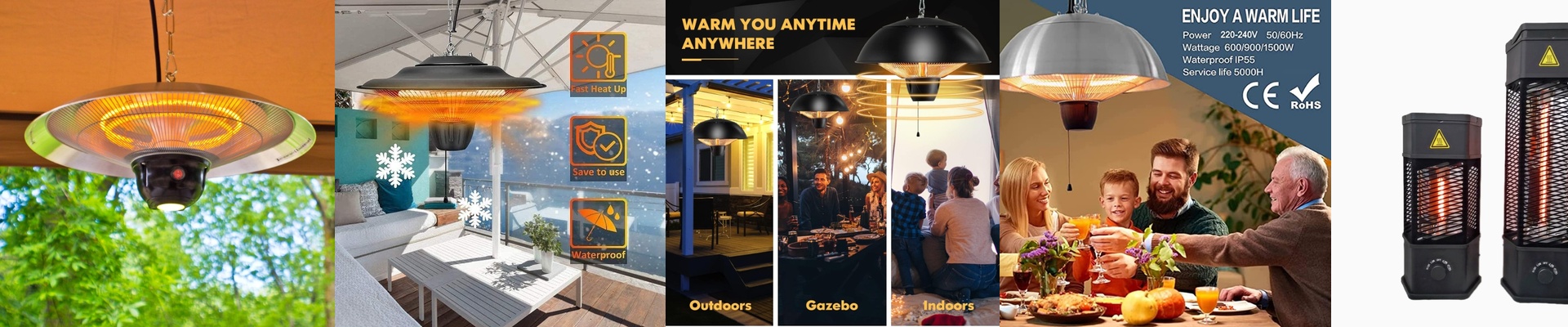
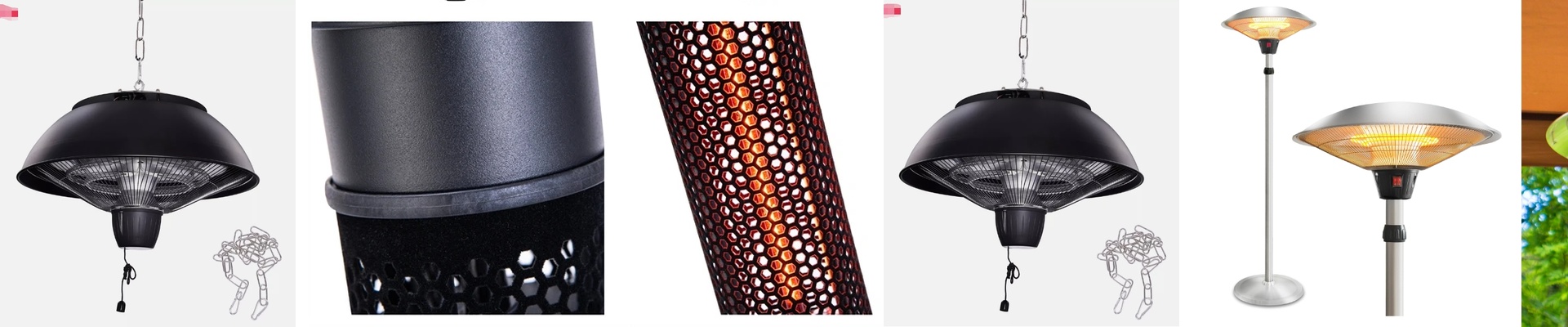
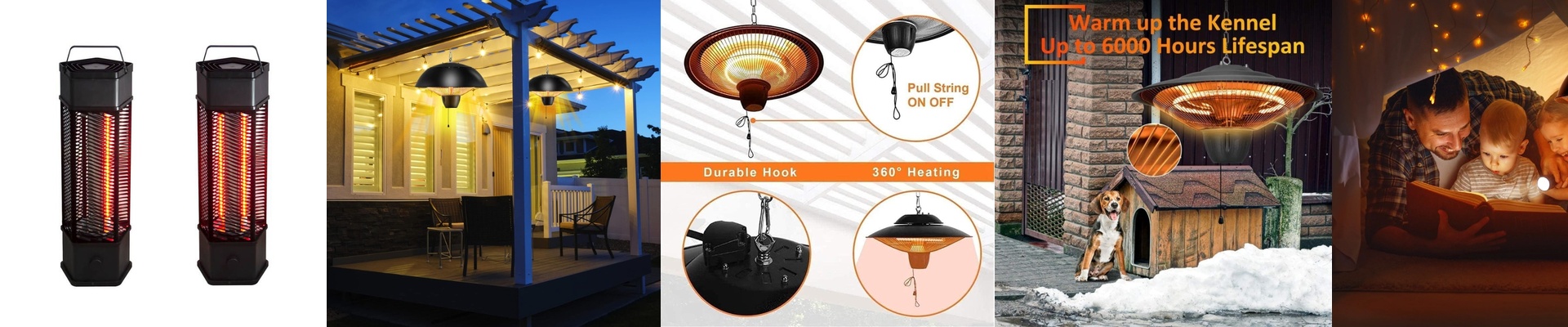

The outdoor heating aisle is packed with hype, and the line between comfort and a letdown is thin. When the air turns sharp, a heater that falls short wastes time, money, and goodwill. So we build our energy-saving infrared electric heaters to a standard we don’t budge on: full CE certification.
What matters under the hood
Inside, we run a carbon fiber element in a sealed quartz tube. That gives you radiant warmth that heats people and objects directly, not the air around them. The payoff is targeted comfort with a fast response—full output in seconds. Paired with a precise thermostat, the unit cycles efficiently to hold steady warmth without constant on-off chatter, so operating costs sit lower than convection-only designs. Safety isn’t an add-on. Tip-over protection shuts the heater down if it gets knocked, and overheat protection keeps internal temps in check. And it runs quietly, so conversations and work don’t get drowned out.
Why this matters in the real world
In a market where specs can get fuzzy, CE certification means third-party testing against strict electrical and thermal safety requirements. For you, that means fewer surprises on the job or in your outdoor living space. The radiant heat pattern hits where you need it, so you feel comfortable faster—even when a breeze kicks up. Because the heat is directional, you’re not throwing energy at empty air, and the heater can work in semi-open areas if you place it right.
What to keep in mind
Radiant heat does its job best when it lands on the right spot. Position the heater to aim at seating or work areas, and keep a clear clearance zone for airflow and safety. For outdoor use, pick a model with the right IP rating for your conditions, and plug into a properly rated, grounded outlet. One trade-off: infrared heat is immediate, but it won’t feel as uniform as forced-air warmth, especially when it’s very windy.Pair the heater with wind shielding or smart placement, and you get the most consistent comfort.